




What's Happening?
A 'Super' El Niño is anticipated to develop, potentially becoming the most intense since 1950. This weather phenomenon, characterized by unusually warm Pacific Ocean waters, is expected to influence global weather patterns significantly. Historical data
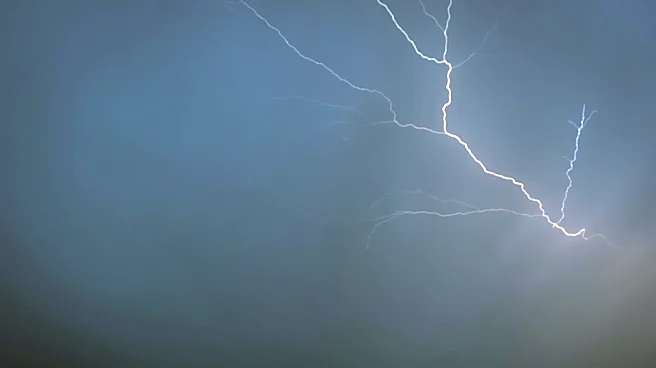
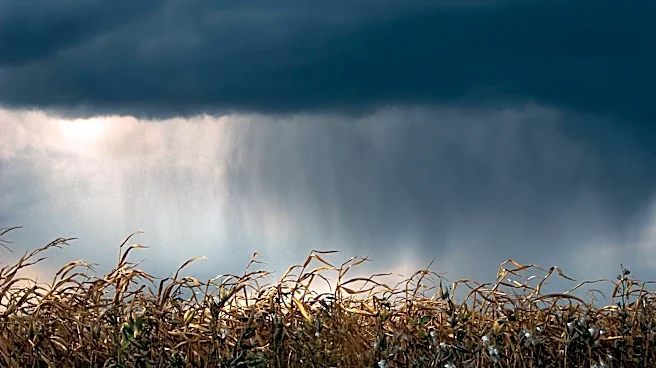
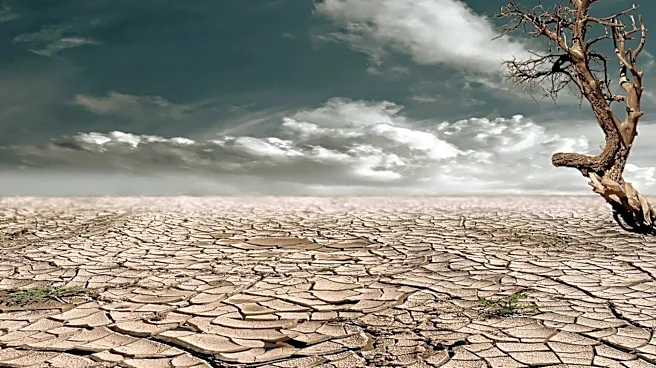
from past Super El Niños, such as those in 1982-83 and 1997-98, indicate potential for widespread economic and environmental impacts. The upcoming El Niño could lead to extreme weather events, including droughts, floods, and heatwaves, affecting agriculture, ecosystems, and economies worldwide.
Why It's Important?
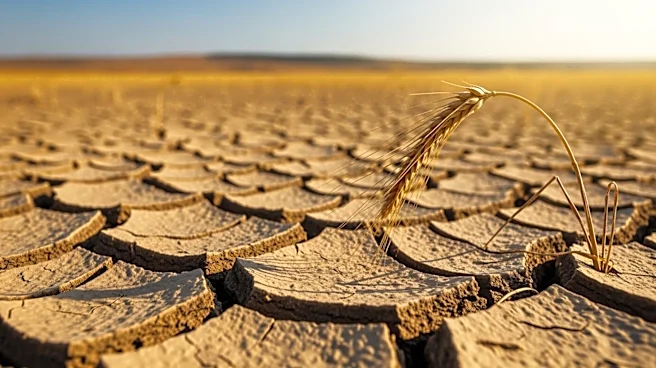
The anticipated Super El Niño could have profound implications for global economies and ecosystems. Past events have resulted in trillions of dollars in economic losses, highlighting the potential for significant financial impact. The phenomenon can disrupt agricultural production, leading to food shortages and increased prices. Additionally, the environmental effects, such as coral bleaching and altered weather patterns, could have long-term consequences for biodiversity and climate resilience. Understanding and preparing for these impacts is crucial for mitigating potential damage.
What's Next?
Governments and organizations are likely to enhance monitoring and forecasting efforts to better predict and respond to the effects of the Super El Niño. Preparations may include staging food aid and resources in vulnerable regions, as well as implementing strategies to protect critical infrastructure and ecosystems. The situation may also prompt policy discussions on climate adaptation and resilience, emphasizing the need for international cooperation in addressing climate-related challenges.