



What's Happening?
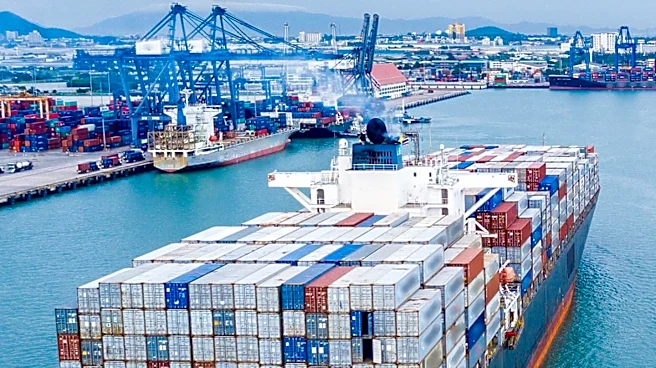
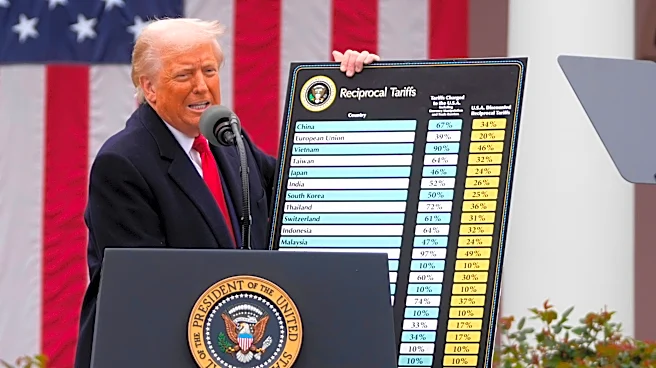
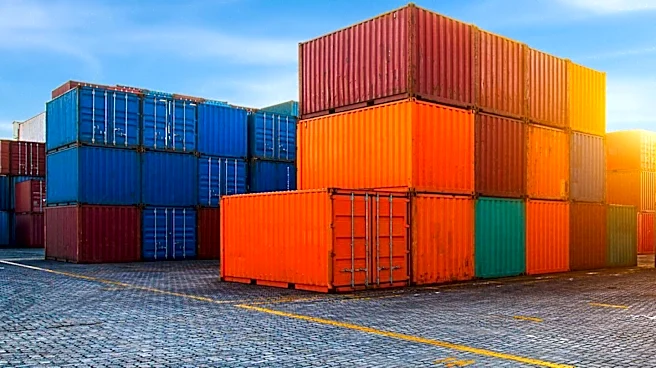
The Trump administration has imposed a 25% tariff on most Brazilian exports following a Section 301 investigation into Brazil's trade practices. The U.S. Trade Representative cited issues such as Brazil's digital-payments system, ethanol tariffs, and
deforestation as reasons for the tariffs. The move is seen as a response to Brazil's refusal to comply with U.S. demands on trade negotiations. The tariffs exclude staples like coffee and beef but target apparel, steel, and sugar. Brazilian officials have criticized the tariffs, arguing that they are politically motivated.
Why It's Important?
The imposition of tariffs on Brazilian exports could strain U.S.-Brazil relations and impact trade between the two countries. The tariffs are likely to affect Brazilian industries and could lead to retaliatory measures. The situation highlights the complexities of international trade negotiations and the potential for economic and political tensions. The outcome of this trade dispute could influence future trade policies and economic relations between the U.S. and Brazil, with implications for industries and consumers in both countries.
What's Next?
The U.S. and Brazil may engage in further negotiations to resolve the trade dispute and address the underlying issues. The tariffs could lead to increased tensions and potential retaliatory measures from Brazil. Both countries will need to navigate political and economic considerations to reach a resolution. The situation could impact future trade agreements and economic policies, affecting stakeholders in various industries.