







What's Happening?
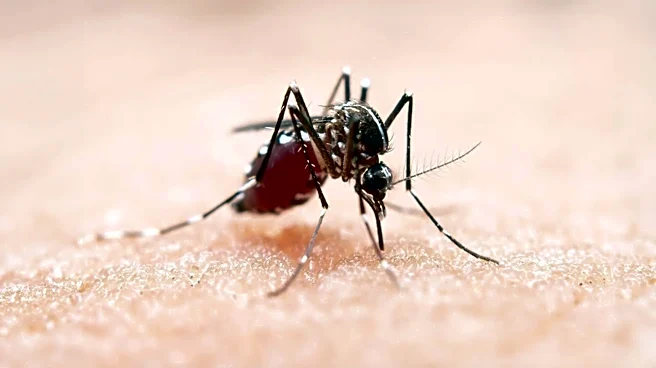
The Aedes aegypti mosquito, a species known to transmit diseases such as dengue, chikungunya, and Zika virus, has been found breeding in east London. This marks the first time this invasive species has been confirmed to be breeding in the UK, although
it has been detected in the country on three previous occasions. The UK Health Security Agency (UKHSA) discovered adult insects and larvae at residential properties through its Mosquito Watch scheme. Control measures have since been implemented to destroy the larvae. Dr. Jolyon Medlock, head of medical entomology and zoonoses ecology at UKHSA, stated that while these mosquitoes can transmit diseases in regions where infections are circulating, the immediate risk to the public in the UK is assessed as very low. There is currently no evidence of human infections caused by these mosquitoes in the area, nor have they been detected in nearby public spaces. The species is typically found in tropical and subtropical climates and is believed to have arrived in the UK through accidental importation, possibly via vehicles, baggage, or imported plants.
Why It's Important?
The discovery of Aedes aegypti breeding in the UK, despite the low immediate public health risk, is significant due to its potential long-term implications for public health and environmental monitoring. This event highlights the increasing challenge of invasive species introduction, often facilitated by global travel and trade. While the UK's cooler climate generally prevents the long-term establishment of these mosquitoes, climate change could alter these conditions, making the UK more hospitable for such species in the future. The presence of a vector capable of transmitting serious diseases like Zika and dengue necessitates enhanced surveillance and rapid response mechanisms from public health authorities. This situation underscores the importance of schemes like the UKHSA Mosquito Watch in early detection and intervention, preventing potential outbreaks and protecting public health. It also emphasizes the need for public awareness regarding measures to reduce mosquito breeding sites, such as eliminating standing water.
What's Next?
Following the discovery, the UK Health Security Agency (UKHSA) has increased surveillance and trapping efforts in the affected east London area to monitor for further presence of Aedes aegypti mosquitoes. Control measures, including the destruction of larvae, are actively being implemented to prevent the establishment and spread of the species. Public health officials will continue to assess the situation and provide updates. The UKHSA will also likely continue to emphasize public education on reducing mosquito breeding grounds, such as removing standing water from gardens. While the current risk to the public remains low, ongoing monitoring and research will be crucial to understand if climate change or other factors could lead to more frequent or sustained presence of this and other invasive mosquito species in the UK.
Beyond the Headlines
This incident extends beyond immediate public health concerns, touching upon broader ecological and global health implications. The repeated detection and now breeding of Aedes aegypti in the UK underscore the interconnectedness of global ecosystems and the ease with which species can be transported across continents. It serves as a stark reminder of the potential for climate change to reshape geographical distributions of disease vectors, posing new challenges to public health systems in regions previously considered safe. The 'hitchhiking' nature of these mosquitoes in vehicles and imported goods highlights the need for more stringent biosecurity measures and international cooperation in managing invasive species. Furthermore, it prompts a re-evaluation of public health preparedness strategies, encouraging proactive measures and community engagement in vector control, even in non-endemic areas, to mitigate future risks associated with climate-driven ecological shifts.