
What's Happening?
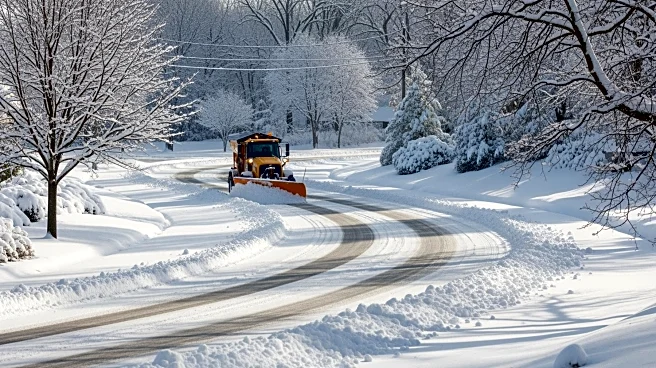
The Southeast region of the United States is experiencing frigid temperatures following a record snowfall. The cold conditions are expected to continue, affecting a large area from the Gulf Coast to New England. This weather event has brought significant
challenges to the region, impacting daily life and causing disruptions. The cold snap follows a period of heavy snowfall, which has already strained local resources and infrastructure. Residents are advised to take precautions against the extreme cold, which poses risks such as hypothermia and frostbite.
Why It's Important?
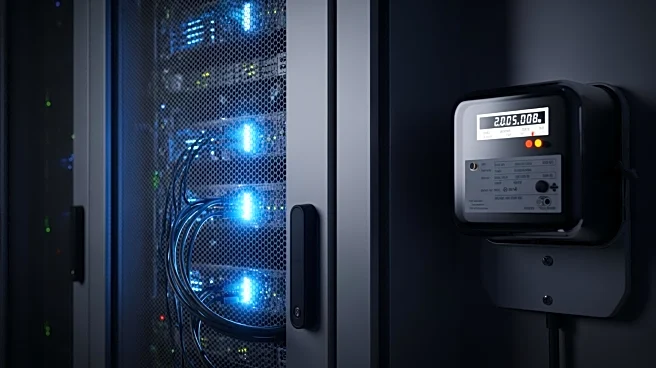
The ongoing cold weather in the Southeast has significant implications for public safety and infrastructure. The extreme temperatures can lead to increased energy demand as residents seek to heat their homes, potentially straining power grids. Additionally, the cold can disrupt transportation, leading to delays and hazardous driving conditions. The agricultural sector may also be affected, with potential damage to crops and livestock. These factors combined can have a ripple effect on the local economy, increasing costs for heating and repairs while reducing productivity.
What's Next?
As the cold weather persists, local governments and emergency services are likely to continue monitoring the situation closely. Efforts to provide shelter and resources to vulnerable populations, such as the homeless and elderly, will be crucial. Residents may need to prepare for further disruptions, including potential power outages and transportation delays. Authorities will also be focused on ensuring that infrastructure, such as roads and power lines, remains operational and safe.