








What's Happening?
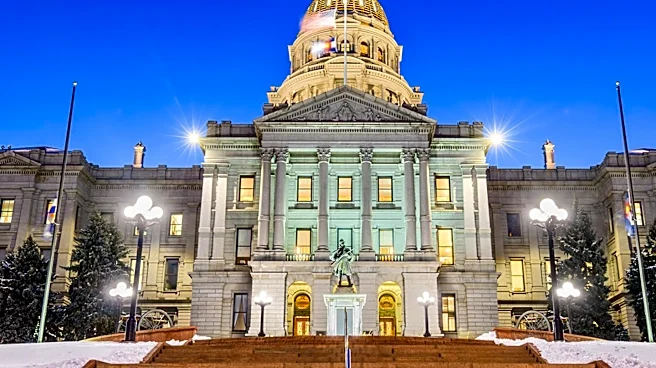
A new poll by the Colorado Health Foundation reveals that a significant majority of Coloradans are worried about affordability issues, including housing and healthcare costs. The poll indicates that 76% of residents are concerned about their ability to
afford living in the state, a rise from 70% the previous year. Additionally, dissatisfaction with the state government's handling of economic concerns is widespread, with 72% expressing discontent. The poll also highlights a divide in political opinions, with some respondents critical of President Trump's administration and others of Governor Jared Polis's leadership.
Why It's Important?
The findings underscore a growing economic anxiety among Coloradans, reflecting broader national trends of economic uncertainty. The dissatisfaction with government responses suggests a potential challenge for political leaders in addressing constituents' needs effectively. This sentiment could influence future elections and policy decisions, as economic issues remain a top priority for voters. The poll also highlights disparities in economic experiences among different demographic groups, pointing to the need for targeted policy interventions to address these inequalities.
What's Next?
The state government may face increased pressure to implement policies that address affordability concerns, such as housing reforms and healthcare cost reductions. Political leaders might also need to improve transparency and accountability to regain public trust. As economic challenges persist, there could be a push for more comprehensive state and federal collaboration to develop sustainable solutions. The poll results could also influence upcoming electoral campaigns, with candidates focusing on economic issues to resonate with voters.
Beyond the Headlines
The economic concerns highlighted in the poll reflect deeper systemic issues, such as income inequality and the rising cost of living, which require long-term strategic planning. The dissatisfaction with government responses may also indicate a broader disillusionment with political institutions, necessitating efforts to rebuild public trust and engagement. Addressing these challenges involves not only policy changes but also fostering a more inclusive and equitable economic environment.