






What's Happening?
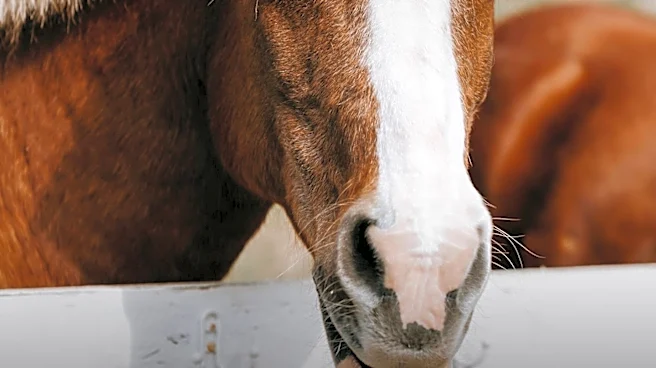
The Tulsa Boys' Home, a local nonprofit organization, has initiated a new healing program that pairs vulnerable young men with horses, including wild mustangs from Wyoming. This initiative, known as the Mañana Horsemanship Program, aims to teach patience,
responsibility, and trust. Equine Specialist Johnny Clark developed the 'SPUR Model' to integrate horse work into the existing healing plans at the home. Clark emphasizes that horses act as mirrors to human emotions, reflecting feelings and helping the boys to understand themselves better. Program Manager Gage Fisher highlights the parallel between unhandled horses and youth who have experienced hardship, noting that the process of training these animals helps the boys address their own emotional 'dents' and learn functional social skills. Participants, many of whom had no prior experience with horses, engage in hands-on activities, including leading horses through obstacle courses that symbolize life's challenges. This program seeks to prepare both the horses and the boys for success.
Why It's Important?
This program is important because it offers an innovative approach to therapy for at-risk youth in the U.S., addressing complex emotional and behavioral issues through interaction with animals. Equine therapy has been recognized for its effectiveness in building trust, fostering communication skills, and developing emotional regulation in individuals who may struggle with traditional therapeutic methods. For the young men at Tulsa Boys' Home, many of whom have faced significant trauma, the non-judgmental nature of horses provides a safe space to confront their fears and build confidence. The program's focus on wild mustangs adds another layer of significance, as the process of gentling these animals mirrors the boys' own journeys of healing and adaptation. This initiative not only provides therapeutic benefits but also teaches valuable life skills such as patience, responsibility, and clear communication, which are crucial for their reintegration into society and future success. The success of such programs can inform broader strategies for youth rehabilitation and mental health support.
What's Next?
The Tulsa Boys' Home plans to continue expanding the Mañana Horsemanship Program by bringing in more horses to accommodate additional participants. The ongoing success of the program will likely lead to further integration of equine therapy into the home's overall healing strategy. Staff members, including Johnny Clark and Gage Fisher, will continue to observe and document the breakthroughs experienced by the boys, which could contribute to research on the efficacy of equine-assisted therapy for vulnerable youth. If the program continues to yield positive results, it could serve as a model for other youth rehabilitation centers across the U.S., potentially leading to increased funding and broader adoption of similar animal-assisted interventions. The long-term goal is to equip these young men with the skills and confidence needed for success both on and off the ranch.
Beyond the Headlines
Beyond the immediate therapeutic benefits, this program highlights the profound connection between humans and animals, particularly in healing and personal development. The concept of horses mirroring human emotions taps into deeper psychological principles, suggesting that non-verbal communication and empathy play a critical role in overcoming trauma. This initiative also underscores the potential for integrating natural environments and animal care into mental health treatment, moving beyond conventional clinical settings. Ethically, the program demonstrates a commitment to providing holistic care for vulnerable populations, recognizing that healing extends beyond addressing immediate symptoms to fostering a sense of purpose and connection. Culturally, it revives traditional practices of horsemanship, imbuing them with a modern therapeutic purpose. The long-term implications could include a shift in how society views and treats at-risk youth, emphasizing rehabilitation and skill-building through unconventional yet effective means, and potentially reducing recidivism rates by instilling a strong foundation of self-worth and social competence.