

What's Happening?
A U.S. intelligence report suggests that even a large-scale military assault on Iran is unlikely to overthrow its regime. The National Intelligence Council's assessment, completed before the current conflict, indicates that Iran's military and political
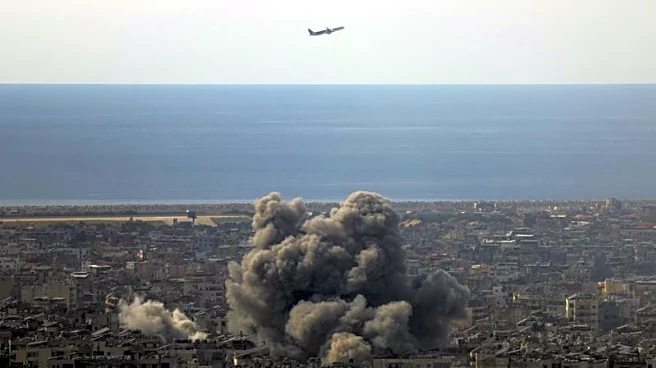
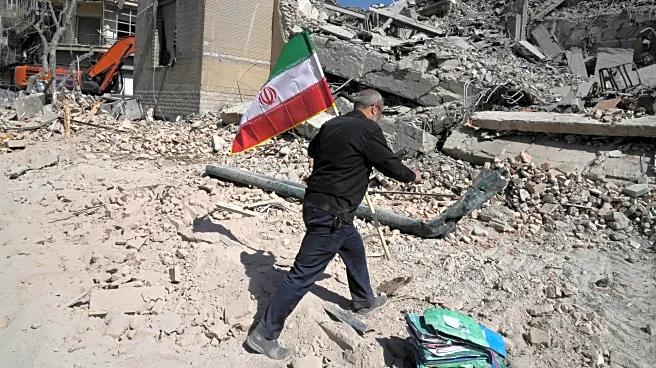
leadership would likely retain power despite the loss of top leaders. The report outlines potential succession scenarios and highlights the regime's ability to maintain control. The findings come amid ongoing U.S. and Israeli military operations following the death of Supreme Leader Ayatollah Ali Khamenei.
Why It's Important?
The report's conclusions challenge the effectiveness of military interventions in achieving regime change in Iran. It underscores the resilience of Iran's political and military structures, which could complicate U.S. and allied efforts to influence the region's political landscape. The findings may prompt a reevaluation of U.S. strategies in the Middle East, emphasizing the need for diplomatic solutions. The report highlights the complexities of engaging with Iran and the potential risks of escalating military actions, which could impact regional stability and global security.
What's Next?
The U.S. may need to explore alternative approaches to address tensions with Iran, focusing on diplomatic engagement and multilateral cooperation. The report's findings could lead to increased calls for negotiations and a reassessment of military strategies. The international community may play a role in facilitating dialogue and reducing the risk of further conflict. The situation remains dynamic, with potential implications for U.S. foreign policy and the broader geopolitical landscape in the Middle East.