





What's Happening?
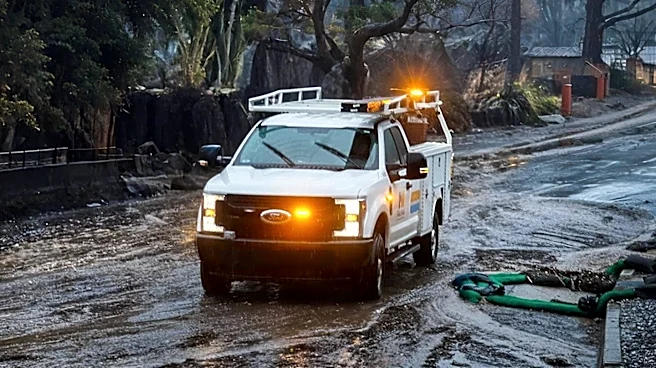
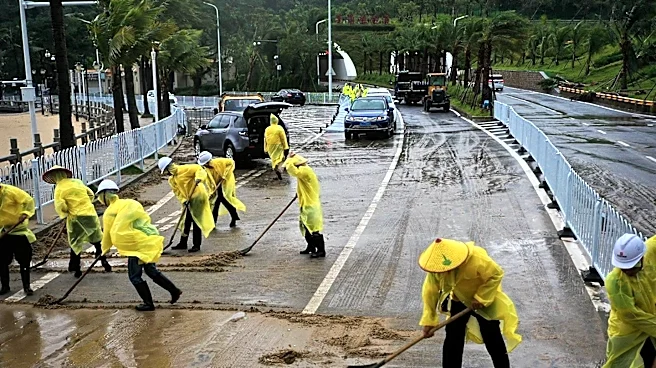
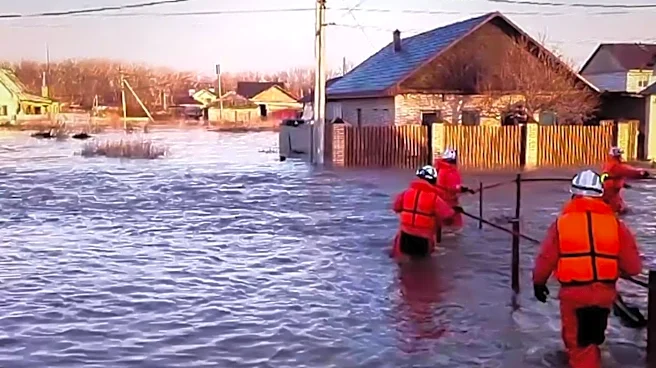
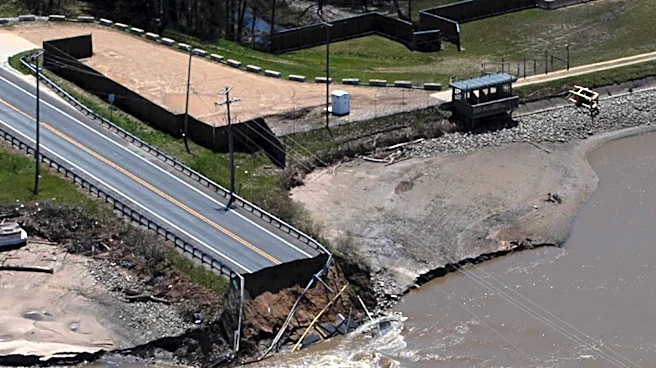
The drain cleaning industry is identified as a critical component of disaster cleanup and recovery following natural disasters such as hurricanes, tornadoes, and floods. After such events, significant damage to infrastructure often includes the contamination
and blockage of sanitary sewer systems due to large amounts of mud and debris. This can lead to severe public health risks, including the potential for cholera, as human waste mixes with floodwaters. Contractors specializing in disaster cleanup, equipped with various drain cleaning tools like snake-style machines, high-pressure water jetters, inspection equipment, and flexible shaft devices, are essential for restoring functional plumbing and sewage lines. The demand for these services and specialized equipment skyrockets in affected areas, as the ability to safely dispose of waste and provide potable water is fundamental for communities to recover and for residents to return to their homes. The industry has seen a consistent need for its services, with billions of dollars often poured into recovery efforts by insurance companies and government entities.
Why It's Important?
The functionality of drain systems is paramount for public health and safety in the aftermath of a natural disaster. Without operational sewage systems, communities face immediate threats of disease outbreaks, making areas uninhabitable. The rapid deployment of drain cleaning professionals and equipment is therefore not just about restoring infrastructure, but about preventing secondary crises related to public health. The economic impact is also significant; the ability to quickly restore essential services like waste disposal directly influences the pace of recovery and the return to normalcy for affected populations and businesses. Insurance companies and government agencies recognize this critical need, allocating substantial funds to these recovery efforts. The ongoing threat of natural disasters, as indicated by weather predictions, underscores the continuous importance of this specialized sector in national disaster preparedness and response strategies.
What's Next?
As natural disasters continue to pose a significant threat, the demand for specialized drain cleaning services and equipment is expected to remain high. The industry will likely continue to see increased investment in advanced technologies and training for contractors to handle the complex challenges of post-disaster cleanup. Manufacturers of drain cleaning equipment will need to ensure robust supply chains to meet the surge in demand that follows major weather events. Furthermore, there may be a growing emphasis on pre-disaster planning within the industry, encouraging contractors to have the necessary tools and personnel ready before a storm hits, as supply can become limited in the immediate aftermath. Collaboration between emergency management agencies, insurance providers, and drain cleaning companies will be crucial to streamline recovery efforts and enhance overall community resilience.
Beyond the Headlines
The critical role of drain cleaning in disaster recovery highlights a less visible but fundamental aspect of modern infrastructure and public health. It underscores how interconnected urban systems are and how the failure of one seemingly mundane component, like a sewer line, can have cascading effects on an entire community's ability to function. This also brings to light the often-underestimated expertise required in skilled trades during emergencies. The focus on preventing diseases like cholera after floods emphasizes the delicate balance between environmental conditions and public health, a balance that is often disrupted by natural catastrophes. The continuous cycle of disaster and recovery also points to broader discussions about climate change, urban planning, and the need for more resilient infrastructure designs that can withstand increasingly frequent and intense weather events, thereby reducing the long-term reliance on emergency cleanup operations.