


What's Happening?
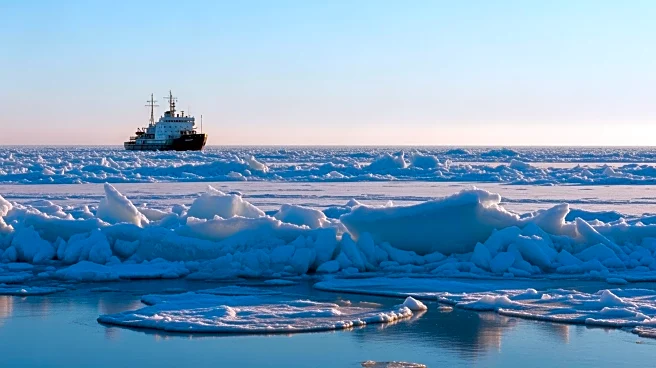
Shipping on the U.S. Great Lakes has come to a standstill due to severe ice conditions and the absence of a functional heavy U.S. Coast Guard icebreaker. The Mackinaw, the only heavy domestic icebreaker, is unable to operate due to an engineering issue,
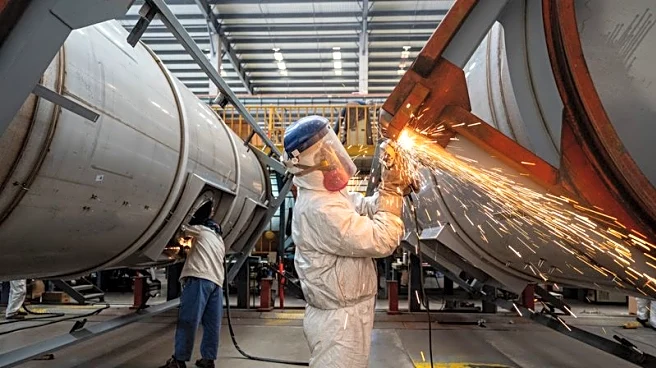
leaving U.S.-flagged vessels trapped in the St. Marys River and Whitefish Bay. This situation has caused significant delays in the transportation of critical raw materials like iron ore, affecting American manufacturing and shipping industries. Canadian icebreakers have been prioritized for Canadian vessels, exacerbating the situation for U.S. shipping.
Why It's Important?
The halt in Great Lakes shipping underscores the vulnerability of U.S. maritime infrastructure to extreme weather conditions and highlights the need for a robust icebreaking fleet. The delays impact the supply chain for industries reliant on raw materials transported via the Great Lakes, such as steel production. This situation may prompt calls for increased investment in U.S. icebreaking capabilities to ensure the reliability of domestic shipping routes. The economic implications are significant, as prolonged disruptions could affect manufacturing output and employment in related sectors.
What's Next?
The U.S. may need to reassess its icebreaking capabilities and consider investing in additional resources to prevent future disruptions. Coordination with Canadian authorities could be improved to ensure mutual support during severe weather conditions. The shipping industry and affected manufacturers may lobby for government action to address these challenges. Long-term solutions could include the development of new icebreaking technologies or the construction of additional icebreakers.