




What's Happening?
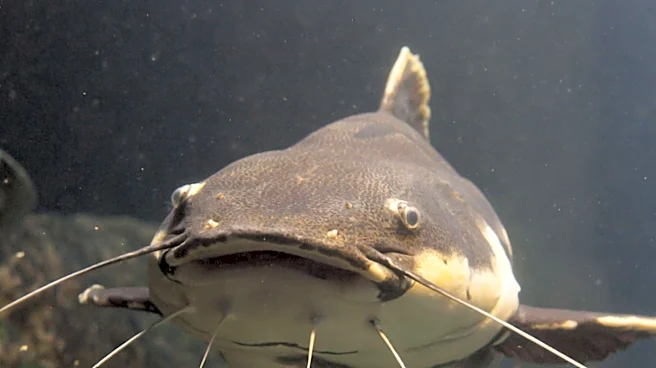
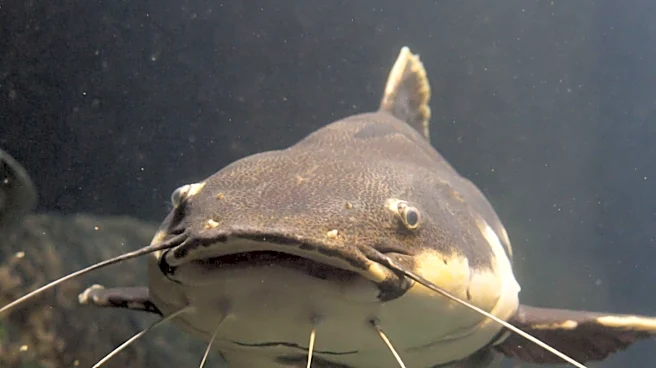
Scientists in Vermont have identified a transmissible cancer affecting catfish in Lake Memphremagog, marking it as the fourth known transmissible cancer in nature. This discovery was made after anglers and biologists reported black skin patches on brown
bullhead catfish, which were initially suspected to be caused by a virus or environmental contaminant. However, further investigation revealed these lesions to be melanoma, a type of skin cancer. The cancer cells were found to be clonally transmissible, meaning they can spread from one fish to another, similar to how transmissible cancers occur in Tasmanian devils, dogs, and shellfish. The study, published in the journal Nature, suggests that the cancer may spread through physical contact during spawning or through environmental interactions. Despite the alarming nature of the discovery, researchers emphasize that the disease poses no known risk to humans.
Why It's Important?
The discovery of a transmissible cancer in catfish has significant ecological implications, particularly for the aquatic ecosystems in Vermont and surrounding regions. Transmissible cancers are rare and can have devastating effects on animal populations, as seen in Tasmanian devils. The presence of such a disease in a species that serves as an environmental indicator raises concerns about the health of the ecosystem and potential environmental stressors contributing to the spread of the disease. Additionally, Lake Memphremagog is a source of drinking water for over 175,000 people, highlighting the importance of monitoring and understanding the disease's impact on the local environment. This discovery also contributes to the broader scientific understanding of transmissible cancers, offering insights that could inform research on similar diseases in other species, including humans.
What's Next?
Researchers are expanding their studies to other bodies of water in Vermont, New Hampshire, Maine, and New Brunswick to determine the extent of the cancer's spread. They are also exploring the potential origins of the disease and its transmission mechanisms. Further research is needed to assess the long-term impact on catfish populations and the broader ecosystem. The findings could lead to new strategies for managing and mitigating the effects of transmissible cancers in wildlife. Additionally, the study may prompt further investigation into the environmental factors contributing to the emergence and spread of such diseases.