

What's Happening?
The United States has issued a 30-day waiver allowing India, the world's third-largest oil importer, to resume purchasing Russian oil. This decision comes after the U.S. had previously imposed a 25% penalty tariff on India for buying Russian crude, which
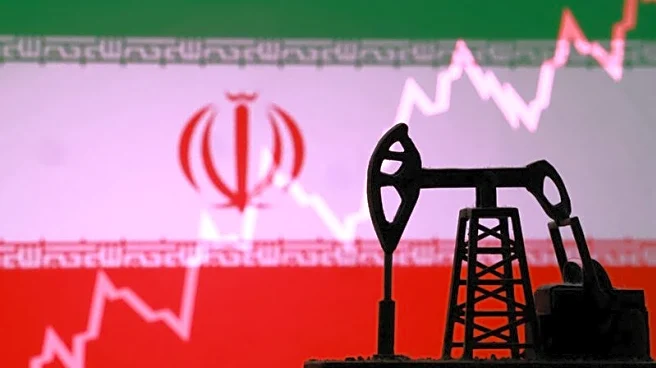
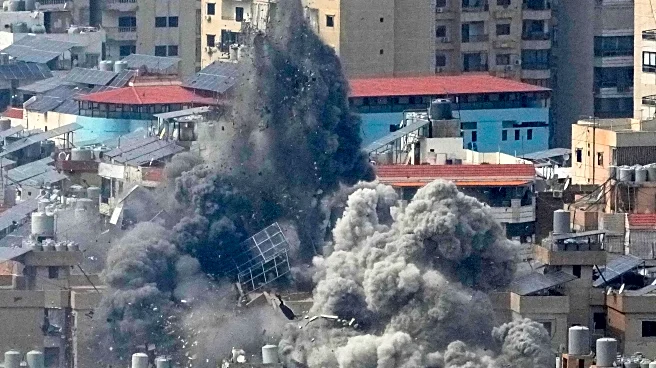
was revoked last month. The waiver is part of a broader geopolitical context involving the ongoing conflict between the U.S. and Iran, which has entered its seventh day. U.S. Defense Secretary Pete Hegseth stated that the U.S. military efforts against Iran are just beginning, emphasizing the significant combat power that the U.S. and its allies, including Israel, can project. President Trump has declared that there will be no deal to end the conflict with Iran unless there is an unconditional surrender by Iran.
Why It's Important?
The waiver on Indian oil imports is significant as it reflects the U.S.'s strategic maneuvering in the global oil market amid heightened tensions in the Middle East. By allowing India to purchase Russian oil, the U.S. aims to stabilize global oil prices, which have been volatile due to the conflict. This move could help mitigate the economic impact of rising oil prices on global markets, particularly in Europe, where stock markets have been affected by the uncertainty surrounding the conflict. The decision also underscores the complex geopolitical dynamics at play, as the U.S. seeks to balance its foreign policy objectives with economic considerations.
What's Next?
The ongoing conflict between the U.S. and Iran is likely to continue influencing global oil markets and international relations. The U.S. may face diplomatic challenges as it navigates its relationships with allies and adversaries in the region. Additionally, the waiver for India could set a precedent for other countries seeking similar exemptions, potentially affecting global trade dynamics. The situation remains fluid, and further developments in the U.S.-Iran conflict could lead to additional policy adjustments by the U.S. and its allies.