



What's Happening?
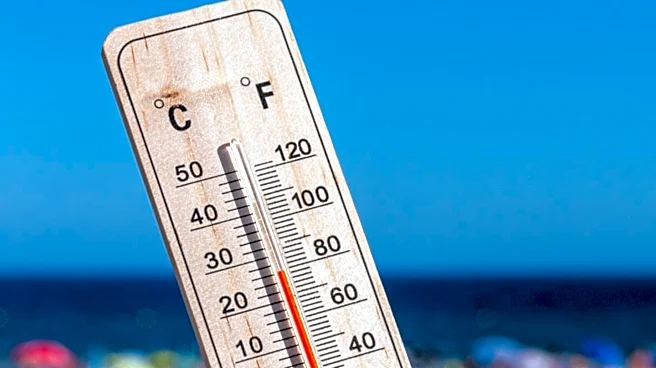
A severe heatwave has claimed the lives of at least 25 individuals across the United States, with New Jersey reporting the highest number of fatalities. According to the New Jersey Department of Public Health, 22 deaths have occurred across 10 counties,
primarily in central and northern regions. Many victims were found in homes without air conditioning, on streets, or in parked cars. The National Weather Service has indicated that cooler air from the north is expected to alleviate the extreme temperatures in the coming days. Additional heat-related deaths have been reported in Cook County, Illinois, and Hinds County, Mississippi. The heatwave has also led to numerous emergency room visits in New York City.
Why It's Important?
The ongoing heatwave underscores the increasing frequency and severity of extreme weather events, likely exacerbated by climate change. The fatalities highlight the vulnerability of certain populations, particularly the elderly and those without access to air conditioning. This situation stresses the need for improved public health responses and infrastructure to cope with extreme temperatures. The economic impact is also significant, as events like the Independence Day parade in Washington, D.C., were canceled, and emergency services were strained. The heatwave serves as a stark reminder of the urgent need to address climate change and its effects on public health and safety.
What's Next?
As temperatures are expected to drop, immediate relief is anticipated for affected regions. However, the broader implications of climate change remain a pressing concern. Policymakers may face increased pressure to implement measures to mitigate the effects of extreme weather, such as enhancing public cooling centers and improving emergency response systems. The upcoming FIFA World Cup final in East Rutherford, New Jersey, on July 19, will test the region's preparedness for large-scale events under potentially extreme weather conditions.
Beyond the Headlines
The heatwave raises ethical and social questions about resource allocation and the protection of vulnerable populations. It highlights disparities in access to cooling resources and the need for community support systems. Long-term, this event could influence public policy and urban planning, encouraging the development of more resilient infrastructure and sustainable practices to combat climate change.