
What's Happening?
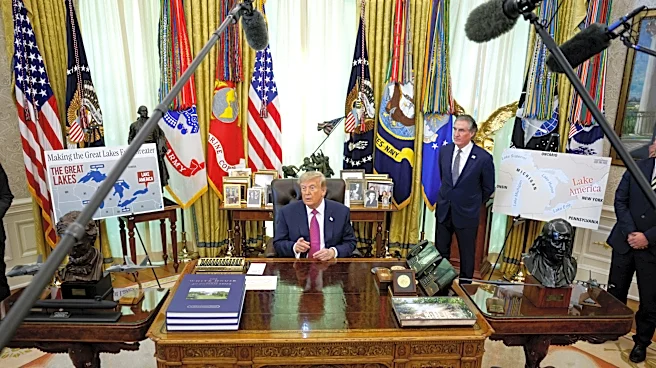
President Trump has issued a proclamation commemorating the fifth anniversary of the Abbey Gate attack in Kabul, Afghanistan, which occurred on August 26, 2021. The attack, carried out by a lone ISIS-K
terrorist, resulted in the deaths of 13 American service members and injuries to 45 others, along with over 160 civilians. The proclamation highlights that the terrorist was among thousands of prisoners released by the Taliban two months prior to the incident. President Trump used the occasion to honor the fallen service members and their families, listing each of the 13 names. He also criticized the previous administration's withdrawal from Afghanistan, describing it as a poorly executed decision that led to significant losses and a desperate evacuation effort. The proclamation specifically mentions the withdrawal of American forces from Bagram Airfield without notifying Afghan National Defense and Security Forces, leading to the Taliban's rapid advance and the release of terrorists and criminals.
Why It's Important?
This commemoration is significant as it reaffirms the U.S. commitment to remembering military sacrifices and highlights ongoing debates about foreign policy and military strategy. President Trump's strong criticism of the Afghanistan withdrawal underscores a persistent political division regarding the handling of the conflict and its aftermath. The event serves as a reminder of the human cost of military operations and the complexities of international engagements. For military families and veterans, such commemorations are crucial for acknowledging their service and loss. The emphasis on apprehending the responsible terrorist also reflects a continued focus on counter-terrorism efforts. The political rhetoric surrounding the withdrawal could influence future foreign policy decisions and public perception of military interventions, particularly concerning the balance between strategic objectives and the safety of service members.
What's Next?
The proclamation by President Trump sets a precedent for future commemorations of the Abbey Gate attack, ensuring that the event and its victims remain in public memory. The strong stance against the previous administration's withdrawal could fuel further political discourse and potentially influence upcoming policy discussions on military engagements and withdrawals. It is likely that the issue of accountability for the events leading to the Abbey Gate attack will continue to be a point of contention in political circles. The U.S. will likely maintain its focus on counter-terrorism operations, particularly against groups like ISIS-K, to prevent similar incidents. Future administrations may face pressure to articulate clear strategies for military withdrawals to avoid the perceived failures highlighted in this proclamation.
Beyond the Headlines
Beyond the immediate commemoration, this event touches upon deeper implications concerning national memory, political accountability, and the long-term consequences of foreign policy decisions. The narrative presented by President Trump emphasizes a particular interpretation of the Afghanistan withdrawal, which could shape historical understanding and public sentiment for years to come. The focus on the individual service members' sacrifices, while honoring their bravery, also implicitly raises questions about the strategic decisions that placed them in harm's way. The criticism of the previous administration's actions highlights the enduring challenge of achieving bipartisan consensus on critical national security issues and the tendency for past events to be reinterpreted through a political lens. This ongoing debate underscores the ethical and moral dimensions of warfare and the responsibility of leadership in protecting military personnel.