

What's Happening?
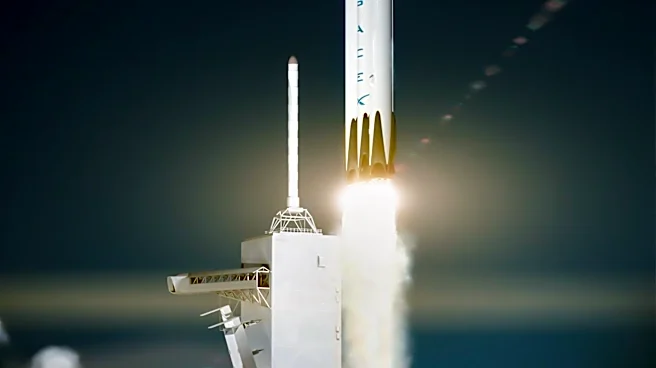
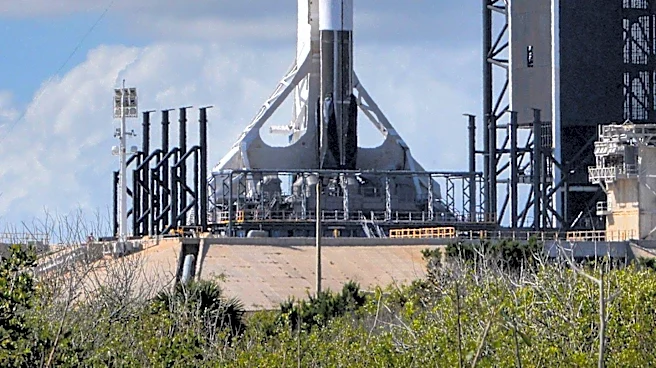
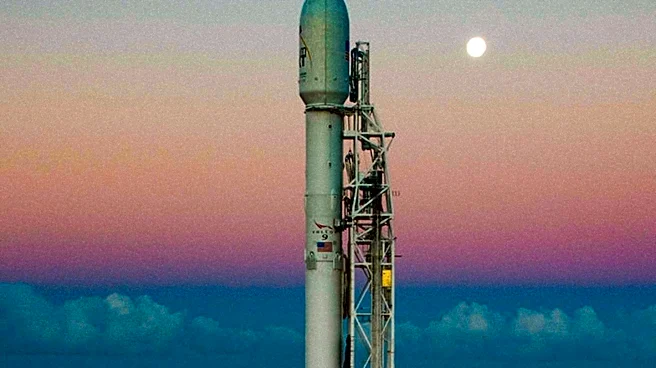
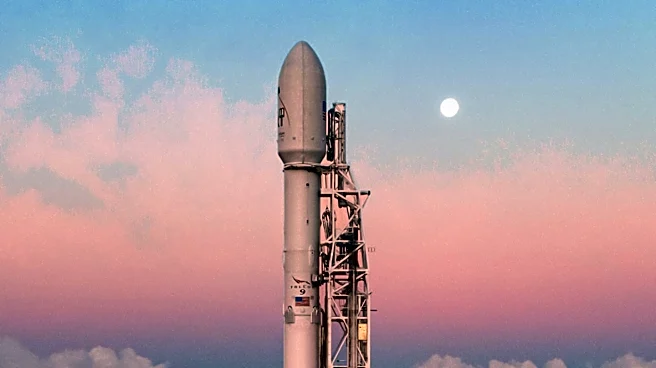
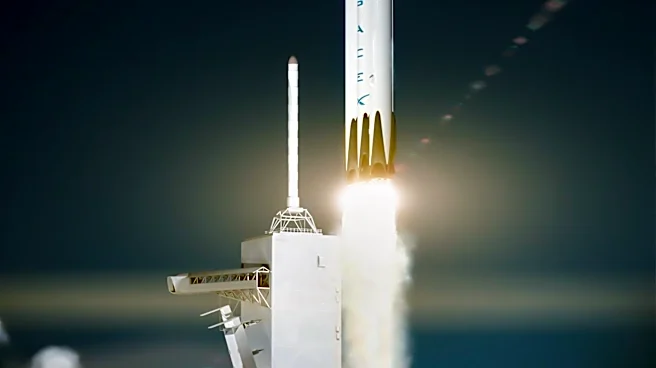
A piece of a SpaceX rocket is on an unintentional collision course with the moon, expected to strike near Einstein Crater at a speed of 5,400 mph. This event marks the second known instance of space debris crashing into the moon. The collision is anticipated
to occur on Wednesday, with the impact expected to create a crater approximately 90 feet wide and 16 feet deep. The rocket's upper stage, which was not intended to collide with the moon, could have been redirected into a solar orbit to avoid this outcome. The launch that led to this situation took place on January 15, 2025, carrying equipment intended for lunar missions.
Why It's Important?
The impending collision highlights the growing issue of space debris and its potential hazards to future lunar missions. Scientists are keen to observe the impact to gather data on debris behavior in low-gravity environments, which could inform safety measures for future astronauts. The event underscores the need for improved space debris management and the development of strategies to prevent unintended collisions. The incident also raises questions about the responsibilities of private space companies in managing their debris.
What's Next?
Scientists and astronomers, both professional and amateur, are encouraged to observe the impact to collect valuable data. The findings could influence future policies on space debris management and the design of spacecraft to minimize debris generation. The event may prompt discussions among international space agencies and private companies about collaborative efforts to address space debris challenges.