



What's Happening?
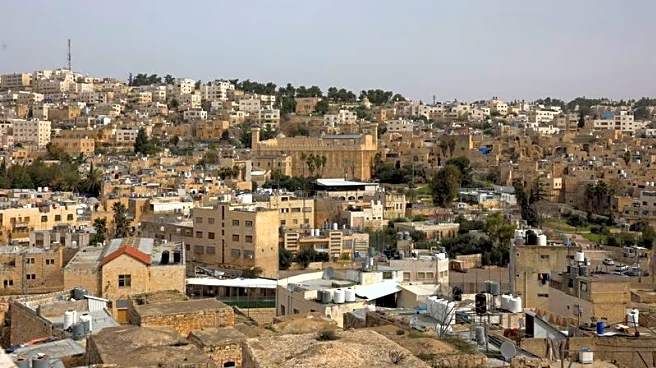
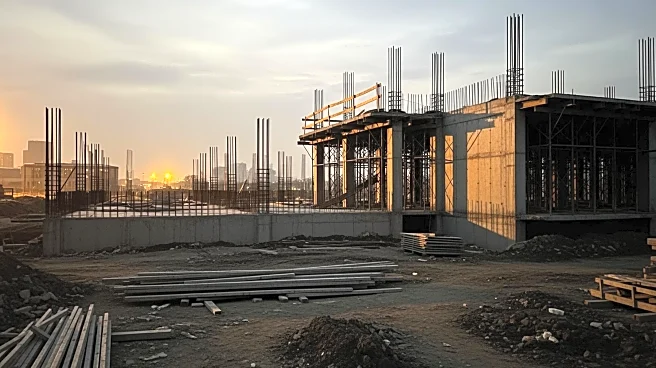
Jared Kushner, President Trump's son-in-law and Middle East adviser, presented a vision for rebuilding Gaza at an economic forum in Davos, Switzerland. His plan envisions modern cities with high-rises, a pristine coastline, and a state-of-the-art port.
However, the plan faces major obstacles, including the need for security and the disarmament of Hamas. The United Nations and Palestinians expect a long process to rehabilitate Gaza, which has been devastated by years of conflict. The plan's feasibility is questioned due to the ongoing security issues and the massive amount of rubble that needs to be cleared.
Why It's Important?
Kushner's plan for Gaza is significant as it represents a major U.S. initiative to address the humanitarian and infrastructural crisis in the region. The proposal highlights the challenges of achieving peace and stability in Gaza, which are crucial for any reconstruction efforts. The plan's success depends on the cooperation of various stakeholders, including Israel, Hamas, and the international community. The outcome of this initiative could have broader implications for U.S. foreign policy in the Middle East and the prospects for peace between Israel and Palestine.
What's Next?
The next steps for Kushner's plan involve addressing the security concerns and working towards the disarmament of Hamas. The Board of Peace, which oversees the ceasefire and reconstruction process, will need to engage with all parties to ensure the plan's viability. The international community's response and willingness to invest in Gaza's reconstruction will also be critical. The plan's progress will be closely monitored, as it could set a precedent for future peace and development efforts in the region.