




What's Happening?
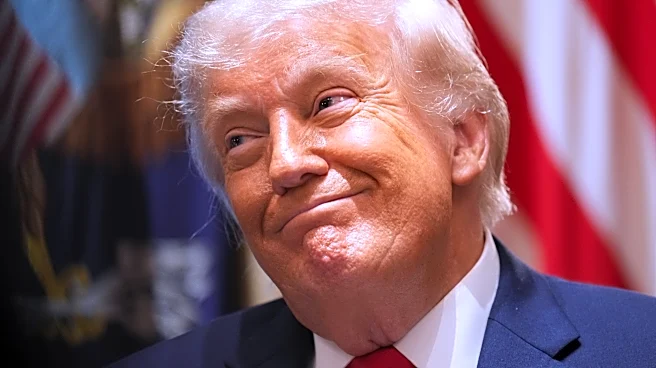
LinkedIn co-founder Reid Hoffman has publicly criticized President Trump following reports that the Department of Justice (DOJ) is investigating Hoffman's nonprofit organization for its financial contributions to E. Jean Carroll's legal battles against
Trump. Carroll, who has previously won civil judgments against Trump for defamation and sexual abuse, reportedly received some legal funding from Hoffman's nonprofit. Hoffman, a known Democratic donor, has dismissed the investigation as a retaliatory move by Trump, asserting that the accusations against him are baseless. The DOJ has denied investigating Carroll herself, but the scrutiny on Hoffman's organization continues. Both Carroll and the DOJ have declined to comment on the matter.
Why It's Important?
This development highlights the ongoing legal and political tensions surrounding President Trump, particularly in relation to his past legal disputes with E. Jean Carroll. The investigation into Hoffman's nonprofit could have broader implications for political donors and their involvement in high-profile legal cases. It underscores the contentious nature of political and legal battles in the U.S., where financial support for litigation can become a focal point of controversy. The situation also reflects the polarized political climate, with figures like Hoffman openly challenging the actions of the Trump administration, potentially influencing public opinion and future political dynamics.
What's Next?
As the investigation progresses, it is likely to attract further media attention and public scrutiny. The outcome could impact the operations of Hoffman's nonprofit and its future involvement in politically sensitive cases. Additionally, the investigation may prompt discussions about the role of financial contributions in legal proceedings and the potential for political motivations to influence judicial processes. Stakeholders, including political leaders and advocacy groups, may respond with statements or actions that could shape the narrative and influence public perception.