


What's Happening?
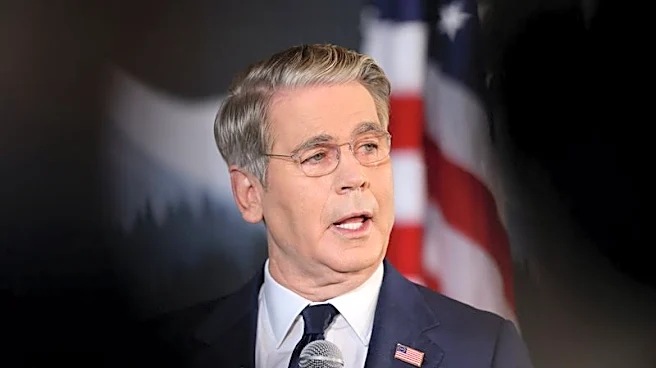
In 2026, the Office of the United States Trade Representative (USTR) under President Trump imposed new tariffs on Canadian goods, citing a provision from the Smoot-Hawley Tariff Act of 1930, specifically Section 338. This act, often referred to as a 'zombie
statute' due to its age and historical discreditation for deepening the Great Depression, allows the president to act against foreign discrimination towards U.S. goods. Critics argue that the current global commerce conditions, governed by agreements like the United States-Mexico-Canada Agreement (USMCA), are vastly different from those in 1930 when the statute was enacted to address issues like imperial preferences. The USTR did not consult the International Trade Commission (ITC) before implementing these tariffs, an agency typically responsible for monitoring U.S. trade. This move follows previous attempts by the administration to impose tariffs under various authorities, many of which have faced legal challenges. The tariffs are intended to force concessions from trading partners, but their legal basis is being questioned, with some experts suggesting they are 'patently illegal.'
Why It's Important?
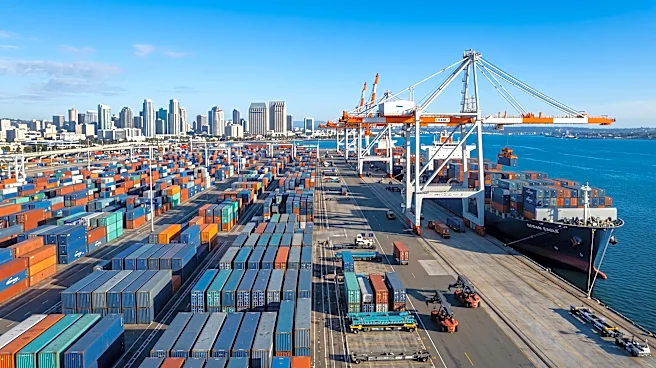
The invocation of the Smoot-Hawley Tariff Act of 1930 for new tariffs on Canada carries significant implications for U.S. trade policy and international relations. Historically, the Smoot-Hawley Act is associated with exacerbating the Great Depression, making its revival a contentious decision that could undermine modern trade frameworks like USMCA. The legal challenge to these tariffs, particularly under the Administrative Procedures Act which requires USTR decisions not to be arbitrary and capricious, highlights a potential overreach of executive power in trade matters. If the courts reject these tariffs, it could set a precedent limiting the administration's ability to unilaterally impose trade barriers using outdated statutes. Conversely, if upheld, it could empower future administrations to bypass established trade agreements and processes, leading to increased global trade instability. Furthermore, the tariffs, while ostensibly targeting Canada, are ultimately paid by American importers, potentially increasing costs for U.S. consumers and businesses, disrupting supply chains, and making American products less competitive globally. This could particularly impact industries reliant on Canadian inputs, potentially leading to production line shutdowns and economic disadvantages for U.S. manufacturers.
What's Next?
The legality of the tariffs imposed on Canadian goods is expected to be challenged in court, with many legal experts anticipating a skeptical reception from judges regarding the use of the 1930 Smoot-Hawley statute. The courts will likely examine whether the USTR's decision meets the legal standard of not being arbitrary and capricious, especially given the existence of more modern trade laws like Section 301 of the Trade Act of 1974, which is designed for addressing harms to U.S. commerce. The outcome of these legal proceedings will be crucial in determining the future of these specific tariffs and could influence the administration's approach to trade policy. If the courts rule against the USTR, it could force the administration to reconsider its strategy for imposing tariffs and potentially lead to a rollback of the measures. Conversely, a favorable ruling for the USTR could embolden the administration to continue using similar legal pretexts for future trade actions. Regardless of the immediate legal outcome, the ongoing trade tensions and the use of such historical statutes are likely to continue to create uncertainty for businesses and trading partners.
Beyond the Headlines
The use of the Smoot-Hawley Tariff Act of 1930, a law from an era of empires and massive tariff walls, to justify modern tariffs on Canada reveals a deeper tension in U.S. trade policy: the balance between historical protectionist impulses and contemporary globalized trade agreements. This move suggests a willingness by the administration to prioritize perceived national interests through aggressive trade measures, even if it means invoking 'dead statutes' and potentially undermining established international trade norms and relationships. The argument that these tariffs are a 'wake-up call' for trading partners, as suggested by USTR officials in other contexts, indicates a strategic shift towards using tariffs as leverage rather than solely as a response to specific unfair trade practices. This approach could lead to a more transactional and less predictable global trade environment, where the rule of law in international commerce is increasingly challenged by unilateral actions. The long-term implications could include a fragmentation of global supply chains, increased trade disputes, and a potential erosion of trust among traditional allies, as countries may feel compelled to retaliate or seek alternative trade partners to mitigate risks associated with such unpredictable policies.