






What's Happening?
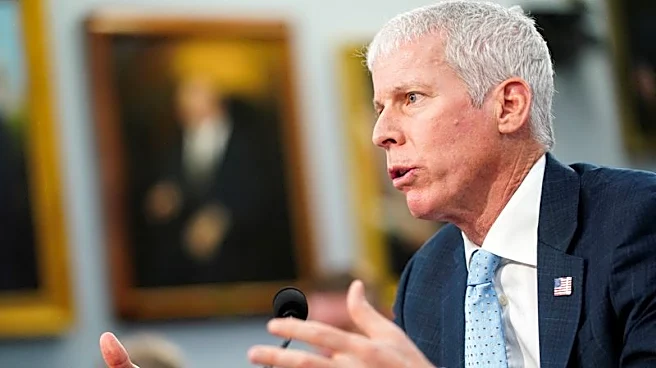
Representative Brandon Gill, a Republican from Texas and chairman of the House Oversight Committee's Task Force on Defending Constitutional Rights and Exposing Institutional Abuses, has launched an investigation into McKinsey & Company. Gill accuses the global
consulting firm of promoting diversity, equity, and inclusion (DEI) practices that he claims are 'plainly illegal' and contribute to rising costs for Americans. He specifically targets McKinsey's reports, published between 2015 and 2023, which suggest that race- and gender-based hiring practices benefit U.S. companies. Gill argues these recommendations violate the Civil Rights Act of 1964 by embedding 'illegal racial and sex-based targets into hiring, promotion, executive compensation, and asset manager proxy voting policies.' He also questions the legitimacy of McKinsey's findings, citing other researchers who found no statistical correlation between a company’s gender and racial diversity and its financial performance. This probe follows recent high-profile hearings led by Gill's panel concerning the Smithsonian Institution's historical narratives.
Why It's Important?
This investigation is significant as it challenges the widespread adoption of DEI initiatives within U.S. corporations and institutions. If Gill's claims are substantiated, it could lead to a re-evaluation of DEI policies across various sectors, potentially impacting hiring practices, corporate governance, and investment strategies. The accusation that McKinsey's reports, which have been highly influential among publicly traded companies, asset managers, and banking institutions, are based on flawed or inaccurate data could undermine the credibility of such consulting advice. Furthermore, the probe highlights a broader political and ideological debate regarding the role of DEI in the U.S. economy and society. The 2026 White House Economic Report, cited by Gill, estimated that DEI initiatives cost the U.S. economy approximately $94 billion in 2023, suggesting a substantial economic impact that could be at stake. This could influence future legislative efforts and regulatory oversight concerning corporate diversity mandates.
What's Next?
The investigation by Representative Gill's task force will likely involve further scrutiny of McKinsey & Company's methodologies and the impact of their DEI recommendations. McKinsey has stated it 'stands by its findings,' indicating a potential for a prolonged and contentious inquiry. This probe could lead to public hearings, demands for internal documents from McKinsey, and potentially calls for regulatory action if evidence of illegal practices is found. Major stakeholders, including corporations that have adopted McKinsey's DEI frameworks, may face pressure to review their own policies. The outcome could also influence the ongoing national conversation about DEI, potentially leading to legislative proposals aimed at either reinforcing or restricting such practices in the workplace. The focus on the economic costs of DEI, as highlighted by the White House Economic Report, suggests that future discussions will likely include a strong economic dimension.
Beyond the Headlines
Beyond the immediate implications for McKinsey & Company, this probe touches upon deeper ethical and legal questions surrounding corporate responsibility and anti-discrimination laws. The debate over whether DEI initiatives genuinely foster equity or inadvertently lead to reverse discrimination is a complex one, with significant legal precedents like the Civil Rights Act of 1964 at its core. If the investigation reveals that widely adopted DEI practices are indeed 'plainly illegal,' it could trigger a wave of legal challenges against companies and institutions that have implemented them. This could also reshape the landscape of corporate consulting, prompting firms to re-evaluate the legal and ethical implications of their advice. Culturally, this investigation reflects a growing pushback against certain aspects of DEI, particularly from conservative political factions, and could contribute to a broader societal shift in how diversity and inclusion are approached in the workplace and public discourse.