






What's Happening?
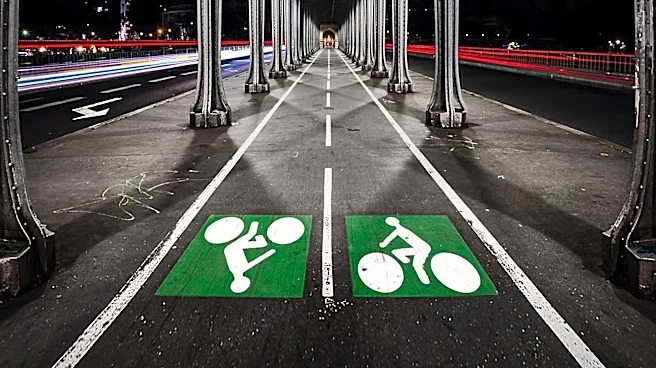
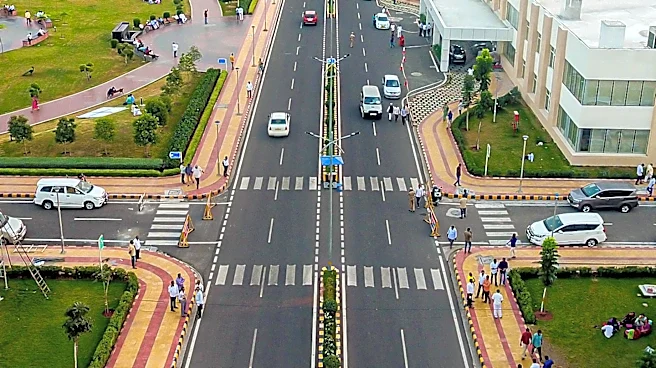
The city of Bend, Oregon, has completed a controversial redesign of Greenwood Avenue, a key downtown thoroughfare, in August 2024. The project transformed the road from four lanes to three, adding a center turn lane and improving pedestrian and bicycle
safety features. Despite these changes, the redesign has faced significant public backlash, with a city survey indicating that 78% of respondents disapproved of the modifications. Critics argue that the changes have increased traffic congestion and accidents, with vehicle crashes rising from 17 to 32 in the year following the construction. However, city officials, including Mayor Melanie Kebler and city engineer Ryan Oster, defend the project as a necessary step towards enhancing road safety and accommodating all users, including pedestrians and cyclists.
Why It's Important?
The redesign of Greenwood Avenue is part of a broader trend in urban planning aimed at creating safer, more inclusive roadways. By prioritizing pedestrian and cyclist safety, the project reflects a shift towards sustainable transportation solutions. However, the increase in traffic accidents and public dissatisfaction highlights the challenges cities face in balancing safety improvements with traffic efficiency. The outcome of this project could influence future urban planning decisions in Bend and similar cities, as officials weigh the benefits of road diets against potential drawbacks such as increased congestion and public opposition.
What's Next?
As Bend continues to implement its road safety strategy, city officials may need to address public concerns and evaluate the effectiveness of the Greenwood Avenue redesign. This could involve further modifications to the road layout or additional public consultations to gather feedback. The city council's commitment to maintaining the current design suggests that similar projects may be pursued in other areas, potentially leading to broader changes in Bend's transportation infrastructure. Monitoring traffic patterns and accident rates will be crucial in assessing the long-term success of the redesign.