
What's Happening?
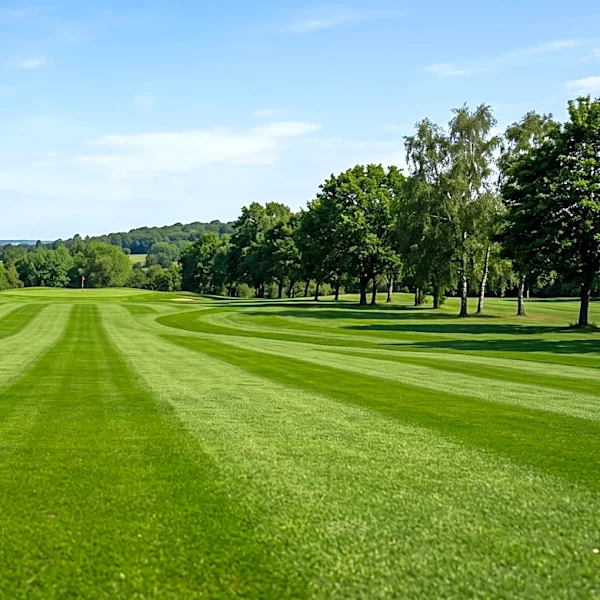
U.S. District Judge Ana Reyes has issued a temporary restraining order blocking the Trump administration from closing East Potomac Park to the public. This ruling comes as President Trump sought to renovate the golf course within the park. The administration had
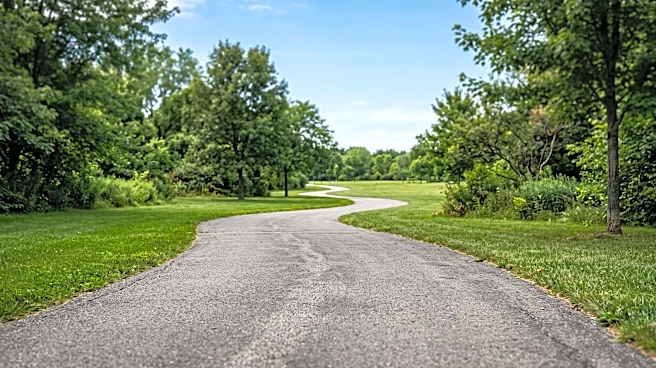
planned to close the entire area of East Potomac and Hains Point, including surrounding bike and walking paths, starting Sunday. Judge Reyes's order mandates that the park remain open to the public, with exceptions only for routine temporary closures or imminent public safety threats. The judge expressed skepticism regarding the administration's claim of an 'imminent threat to public safety' due to a seawall needing repairs, noting the National Park Service's swift action in felling 400 trees in the area previously. President Trump had referred to the park as 'trash island' and criticized Judge Reyes prior to the ruling. A Justice Department spokesperson stated that the order does not prevent planning for the golf course development.
Why It's Important?
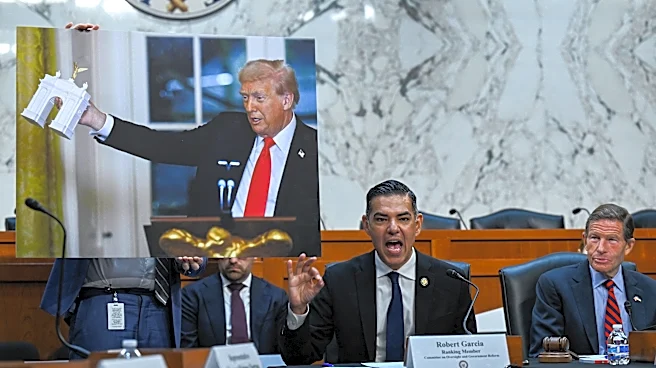
This judicial intervention highlights ongoing legal challenges to President Trump's initiatives to modify Washington landmarks during his second term. The ruling underscores the judiciary's role in scrutinizing executive actions, particularly those affecting public access to national parkland. For the Washington, D.C., Preservation League, the plaintiffs in this case, the decision is a significant victory, preserving public access to a widely used recreational area. The administration's argument about public safety and the judge's skepticism raise questions about the transparency and justification of government actions related to public lands. This case also reflects a broader pattern of legal battles President Trump has faced concerning his development projects, with similar efforts at the Kennedy Center for the Performing Arts and a triumphal arch also being blocked by judges.
What's Next?
The temporary restraining order preserves the status quo, meaning East Potomac Park will remain open to the public as litigation proceeds. Further legal proceedings will determine the long-term fate of President Trump's redevelopment plans for the golf course. The administration will likely continue to argue for its right to undertake renovations, potentially presenting more detailed justifications for the closure and the proposed changes. Stakeholders, including the Washington, D.C., Preservation League and other public interest groups, will continue to monitor the situation and participate in legal challenges. The outcome of this case could set precedents for how future development projects on national parkland are reviewed and approved, especially when they involve significant public access restrictions.
Beyond the Headlines
This case delves into the complex interplay between executive power, judicial oversight, and public interest in the use of national parkland. The judge's skepticism about the 'imminent threat' argument, juxtaposed with the rapid removal of trees, raises ethical questions about the prioritization of development goals over public safety and environmental concerns. It also highlights the potential for executive actions to be perceived as politically motivated, especially when public statements from the President precede official justifications. The ongoing legal battles over President Trump's projects in Washington D.C. suggest a broader tension between presidential vision for urban development and the established legal frameworks designed to protect public spaces and historical integrity. This situation could influence future policy discussions regarding the management and development of national parks and public lands across the U.S.