

What's Happening?
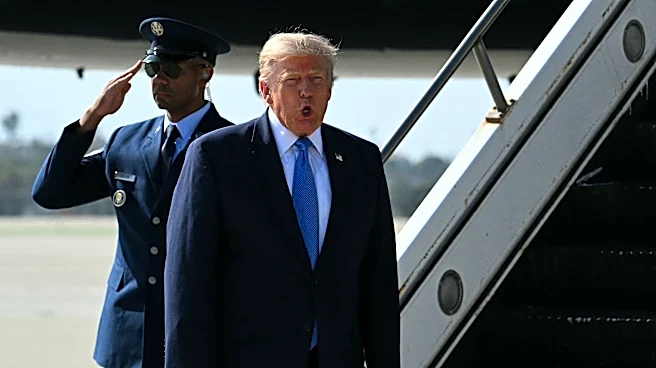
President Trump has publicly refuted claims of significant U.S. munitions shortages due to the ongoing war with Iran. In a statement on his Truth Social platform, Trump emphasized that the U.S. possesses substantial munitions reserves and that defense
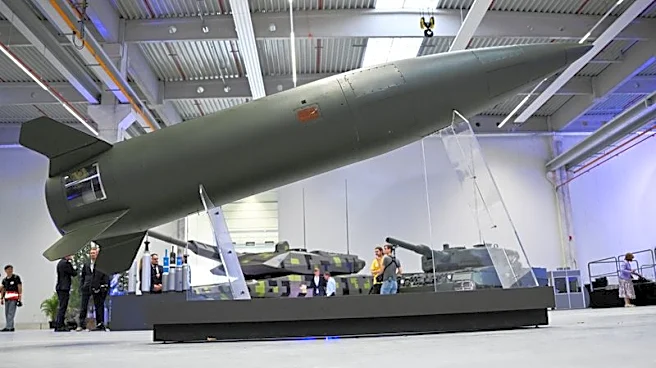
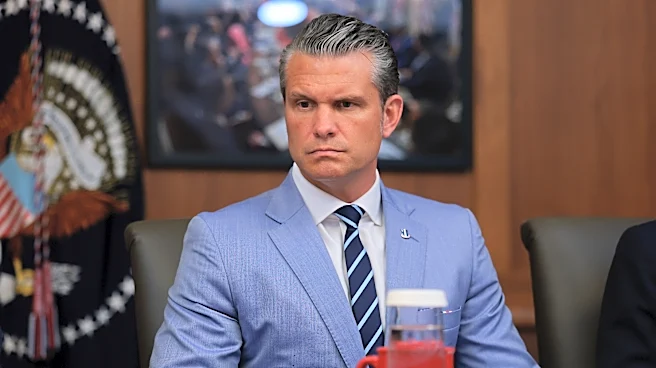
companies are actively manufacturing and shipping additional supplies. This response comes after reports suggested that the U.S. has nearly exhausted its stockpile of long-range precision missiles, including Army Tactical Missile Systems (ATACMS) and Precision Strike Missiles, during Operation Epic Fury. Concerns have also been raised about the dwindling numbers of defensive interceptors like the Patriot and Terminal High Altitude Area Defense (THAAD) systems. Despite these reports, Defense Secretary Pete Hegseth and Chief Pentagon spokesperson Sean Parnell have dismissed the notion of shortages, asserting the strength and capability of the U.S. military.
Why It's Important?
The issue of munitions shortages is critical as it directly impacts the U.S. military's operational capabilities and strategic readiness. If true, these shortages could hinder the U.S.'s ability to sustain prolonged military engagements, potentially affecting national security and international standing. The administration's denial and emphasis on resupply efforts aim to reassure both domestic and international audiences of the U.S.'s military strength. However, the reported depletion of key missile systems could pressure defense industries to accelerate production, influencing defense contracts and economic activity within the sector. The situation also highlights the challenges of maintaining military readiness in prolonged conflicts, which could have implications for future U.S. military engagements and defense policy.
What's Next?
The U.S. government and defense industry are likely to focus on ramping up production to replenish depleted munitions stockpiles. This may involve increased investment in manufacturing capabilities and potential policy adjustments to ensure sustained military readiness. The administration may also face scrutiny from lawmakers and the public regarding the management of military resources and the strategic decisions leading to the current situation. Additionally, the ongoing conflict with Iran will continue to test the U.S.'s military logistics and strategic planning, potentially influencing future defense strategies and international relations.