
What's Happening?
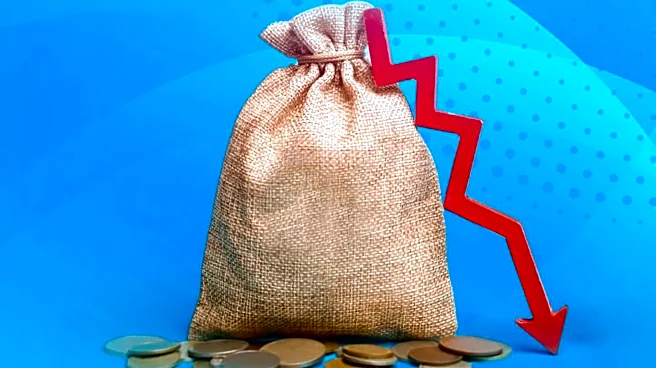
Durham Travel, an Ontario-based travel agency, has experienced a significant drop in sales for Cuban travel packages, plummeting from over 389,000 Canadian dollars in 2025 to just 24,000 dollars in 2026.
This decline is attributed to several factors, including aviation fuel shortages at Cuban airports that led to indefinite flight suspensions by major airlines like Air Canada, Air Transat, and WestJet. Additionally, Sunwing Vacations Group indefinitely suspended all operations in Cuba on June 5, coinciding with a U.S. deadline for foreign companies to sever ties with entities linked to Cuba's military conglomerate GAESA to avoid potential U.S. sanctions. The Cuban government, through Prime Minister Manuel Marrero Cruz, acknowledged that 73% of the country's hotel facilities were closed by July, impacting approximately 25,000 workers. Gaviota Tourism Group, part of GAESA, had only 11.6% of its lodging capacity operational in October. Canadian travelers, many of whom are budget-conscious, are now opting for more expensive destinations like Mexico, the Dominican Republic, and Jamaica, or even domestic Canadian travel, as Cuba's affordability advantage has diminished.
Why It's Important?
The drastic reduction in Canadian tourism to Cuba highlights the significant economic impact of U.S. sanctions and internal Cuban challenges on the island's vital tourism sector. The U.S. government's pressure on foreign companies to disengage from Cuban entities linked to GAESA demonstrates the extraterritorial reach of its policies, affecting international businesses and travel patterns. For Canadian travelers, the shift means higher vacation costs and a broader diversification of travel destinations, as the previously affordable Cuban option becomes less viable. The closure of a large percentage of Cuban hotels and the idling of thousands of workers underscore the severe economic strain on Cuba, potentially leading to further social and economic instability. This situation also reflects a broader geopolitical dynamic where U.S. foreign policy directly influences the economic decisions of other nations and the travel choices of their citizens, even without direct U.S. involvement in the transactions.
What's Next?
The indefinite suspensions of flights and travel operations to Cuba by major Canadian airlines and tour operators suggest a prolonged period of reduced tourism from Canada. The U.S. government's continued enforcement of sanctions against entities linked to GAESA will likely deter other foreign companies from engaging with Cuba, further isolating the island economically. The Cuban government will need to address the ongoing fuel shortages and the broader economic challenges to revitalize its tourism industry. Travelers accustomed to Cuba's pricing will need to adjust their financial expectations for future vacations, as alternative destinations generally come with higher costs. The Canadian government's advisory against non-essential travel to Cuba, citing shortages of essential services, is expected to remain in place, further discouraging tourism. The long-term implications could include a permanent shift in Canadian travel preferences away from Cuba and a continued struggle for Cuba's tourism sector to recover.
Beyond the Headlines
This situation extends beyond immediate economic losses, touching upon the ethical and political dimensions of international sanctions. The U.S. policy, aimed at pressuring the Cuban government, inadvertently impacts the livelihoods of ordinary Cuban citizens working in the tourism sector and limits affordable travel options for budget-conscious international tourists. The decline in tourism also affects cultural exchange and people-to-people connections, which can be vital for fostering understanding and diplomacy. The reliance of Cuba's tourism infrastructure on military-linked entities, as highlighted by the U.S. sanctions, raises questions about the structure of the Cuban economy and its vulnerability to external pressures. This scenario underscores the complex interplay between geopolitics, economic policy, and individual consumer choices, demonstrating how international relations can have tangible effects on everyday life and global travel patterns.