What's Happening?
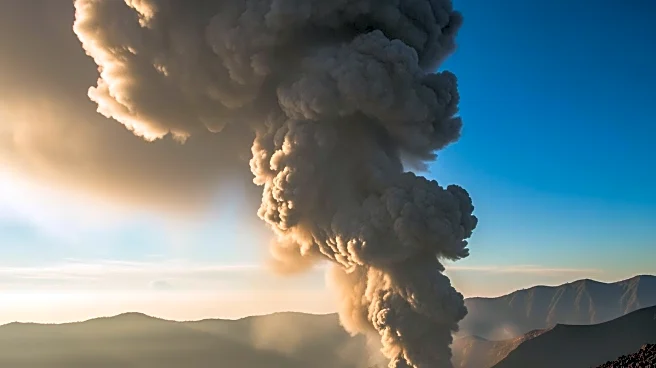
Kilauea volcano on Hawaii Island erupted on March 10, causing significant disruptions and hazardous conditions. The eruption, which began at 9:17 a.m. local time, sent a plume of ash and debris 25,000 feet into the air. The United States Geological Survey
reported tephra, a mix of magma, rock, and volcanic glass, falling on nearby communities, leading to the closure of a 16-mile stretch of Highway 11. The eruption is the 43rd since December 2024, highlighting Kilauea's status as one of the world's most active volcanoes. Residents have been advised to avoid the affected areas due to the ongoing volcanic activity.
Why It's Important?
The eruption of Kilauea poses immediate risks to local communities, infrastructure, and the environment. The closure of major highways disrupts transportation and access to essential services, while the fallout of volcanic debris can damage property and pose health risks. The event underscores the challenges of living in proximity to active volcanoes and the need for effective emergency response and preparedness measures. Additionally, the eruption may impact tourism, a vital component of Hawaii's economy, as visitors may be deterred by safety concerns.
What's Next?
Authorities are closely monitoring the situation, with the United States Geological Survey providing updates on volcanic activity. Efforts are underway to clear debris and assess damage to infrastructure. Residents and businesses in affected areas are advised to remain vigilant and follow official guidance. The ongoing volcanic activity may lead to further eruptions, necessitating continued preparedness and response efforts. The impact on tourism and local economies will be evaluated as the situation develops.