


What's Happening?
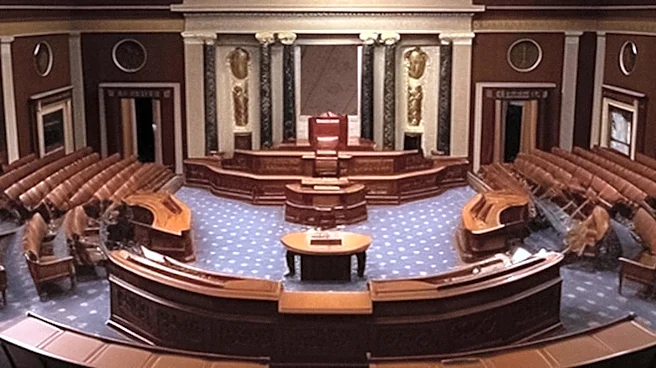
During the legislative week ending November 13th, 2026, the U.S. House of Representatives passed several key bills. These include the Nuclear Recycling Efficient Fuels Utilizing Expedited Licensing Act (H.R. 3978), which aims to streamline the licensing
process for spent nuclear fuel reprocessing projects by having the Nuclear Regulatory Commission apply its special nuclear material regulations. The American Enrichment Deployment Act (H.R. 9612) was also passed, allowing builders of uranium enrichment plants to proceed without an initial license from the NRC, instead regulating them under the framework for other nuclear power fuel cycle plants. Additionally, the House passed the Retirement Fairness for Charities and Educational Institutions Act (H.R. 1013), which expands eligibility for 403(b) retirement plan enrollees to invest in collective investment trusts. Finally, the Major Richard Star Act (H.R. 2102) passed, providing full retirement benefits to veterans with combat-incurred disabilities without deducting their disability benefits from their retirement pay.
Why It's Important?
These legislative actions have significant implications across several U.S. sectors. The nuclear energy bills (H.R. 3978 and H.R. 9612) are crucial for the nation's energy independence and environmental goals. By expediting licensing and streamlining regulations for nuclear fuel recycling and uranium enrichment, the U.S. aims to maximize the energy potential of spent nuclear fuel and reduce reliance on foreign sources. This could boost the domestic nuclear industry, create jobs, and enhance energy security. The Retirement Fairness for Charities and Educational Institutions Act (H.R. 1013) impacts millions of employees in public schools, charities, and churches, potentially offering them better retirement investment opportunities, though concerns about transparency in collective investment trusts have been raised. The Major Richard Star Act (H.R. 2102) addresses a long-standing issue for disabled veterans, ensuring they receive full benefits, which is a significant win for veteran advocacy groups and a moral imperative for the nation.
What's Next?
Following their passage in the House, these bills will now move to the Senate for consideration. The Senate will need to debate and vote on each bill, and if passed, they will then be sent to the President for signature into law. The nuclear energy bills are likely to face scrutiny regarding safety and environmental impact, while the retirement bill may see further debate on transparency and investor protection. The veteran benefits bill, given its broad support, may have a smoother path. The Senate is also slated to take up the nomination of Daniel Desmond Domenico to be a United States Circuit Judge for the Tenth Circuit and consider a substitute amendment to H.R.2347, the Survivor Justice Tax Prevention Act. The outcomes of these legislative processes will determine the final impact on U.S. energy policy, financial regulations, and veteran support systems.
Beyond the Headlines
The passage of these bills reflects broader policy trends and societal values in the U.S. The nuclear energy legislation underscores a renewed focus on nuclear power as a clean and reliable energy source, signaling a potential shift in the national energy strategy towards more sustainable and self-sufficient options. The retirement bill highlights ongoing efforts to ensure equitable financial opportunities across different employment sectors, while also bringing to light the complexities of financial regulation and investor protection. The Major Richard Star Act is a testament to the nation's commitment to its veterans, addressing a perceived injustice and reinforcing the social contract with those who have served. These legislative efforts collectively illustrate the dynamic interplay between economic development, social welfare, and national security priorities in contemporary U.S. policymaking.