







What's Happening?
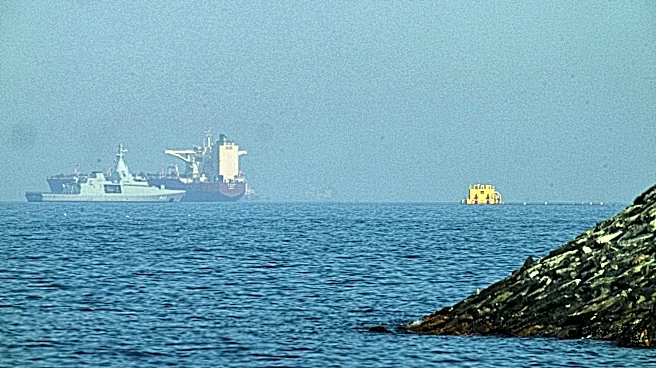
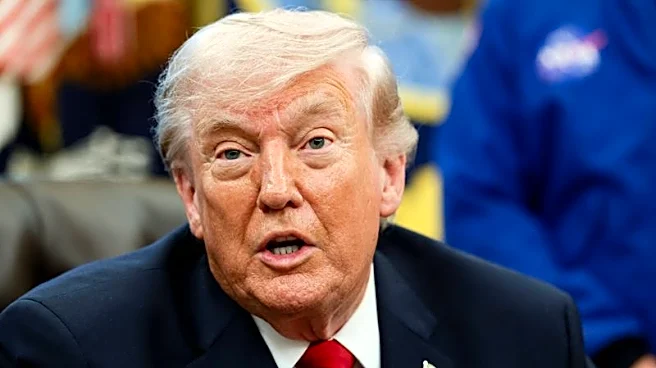
President Trump is currently reviewing a new proposal from Iran aimed at ending ongoing tensions related to the country's nuclear weapons program and the closure of the Strait of Hormuz. The proposal comes amid prolonged diplomatic talks, with Iran demanding
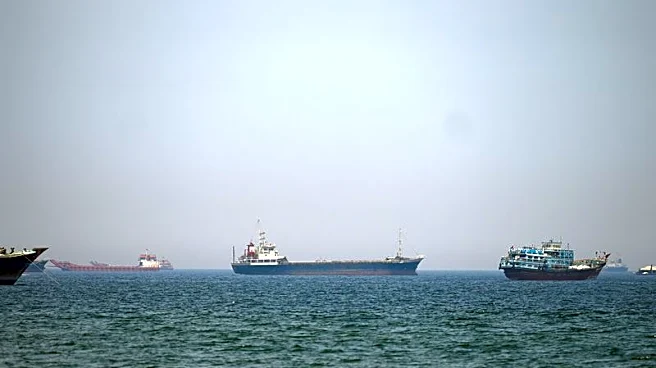
the U.S. lift its blockade of the Strait before discussing nuclear issues. President Trump has expressed skepticism about the proposal, stating that Iran has not yet paid a sufficient price for its past actions. The U.S. had previously blocked Iranian ships from using the Strait after Iran restricted its use for international commerce. Iranian officials have warned of a potential return to armed conflict if the U.S. does not agree to their terms. Despite the tensions, President Trump has indicated a preference for a non-military resolution but has also threatened a significant response if Iran continues its nuclear ambitions.
Why It's Important?
The ongoing negotiations between the U.S. and Iran are critical as they have significant implications for international security and economic stability. The Strait of Hormuz is a vital maritime passageway for global oil shipments, and its closure could disrupt international oil markets, affecting prices and supply chains worldwide. The potential for renewed conflict poses risks not only to regional stability in the Middle East but also to global peace. The U.S. and its allies, particularly Israel, are closely monitoring the situation, with Israeli Prime Minister Benjamin Netanyahu calling for a security cabinet meeting. The outcome of these negotiations could influence U.S. foreign policy and its relations with other countries in the region.
What's Next?
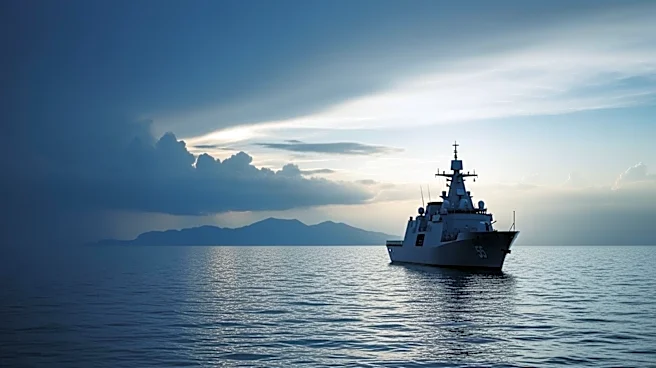
As President Trump reviews Iran's proposal, the next steps will likely involve further diplomatic discussions. The U.S. may seek to negotiate terms that ensure Iran does not develop nuclear weapons while addressing Iran's demands regarding the Strait of Hormuz. The international community, including the United Nations Security Council, may become involved if tensions escalate. The U.S. military presence in the region, as evidenced by CENTCOM Admiral Brad Cooper's recent visit to troops aboard the USS Tripoli, suggests that the U.S. is prepared for various outcomes. The situation remains fluid, and the coming days will be crucial in determining whether a peaceful resolution can be achieved.