



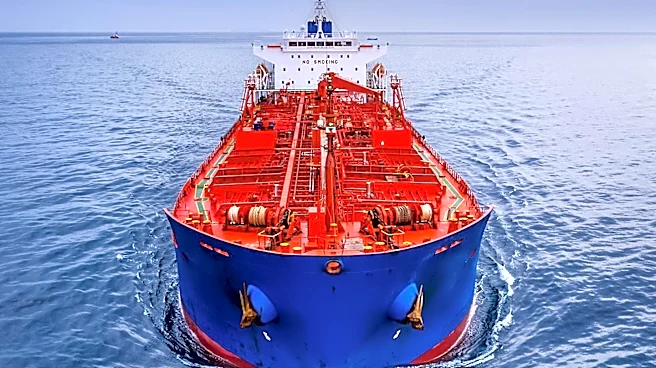


What's Happening?
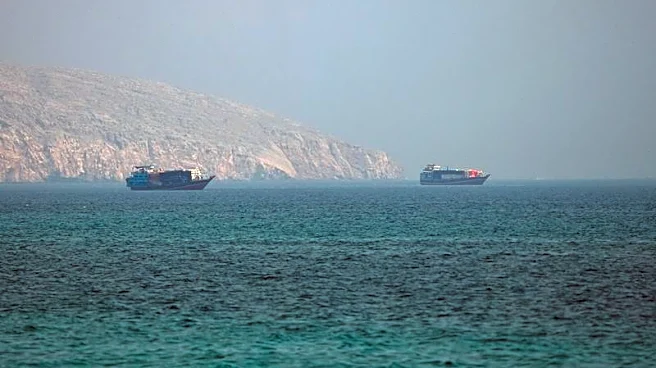
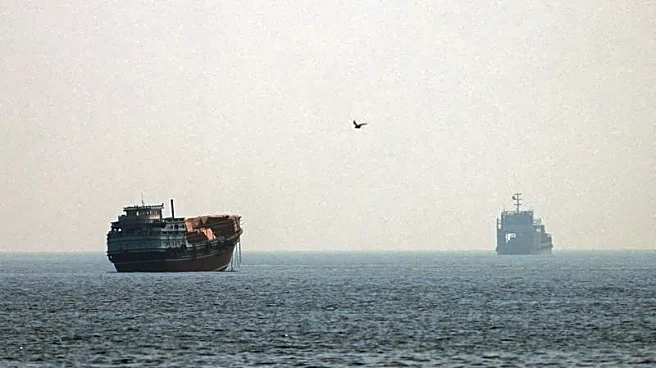
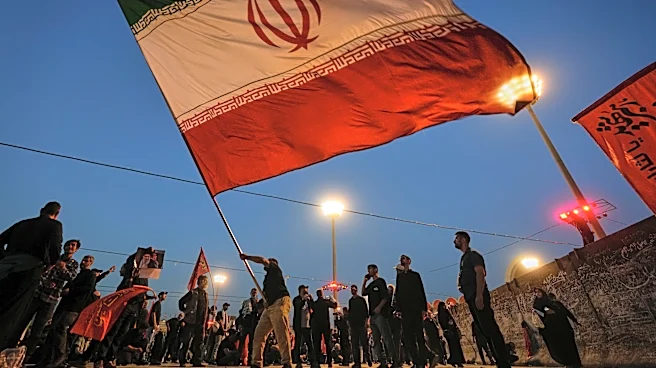
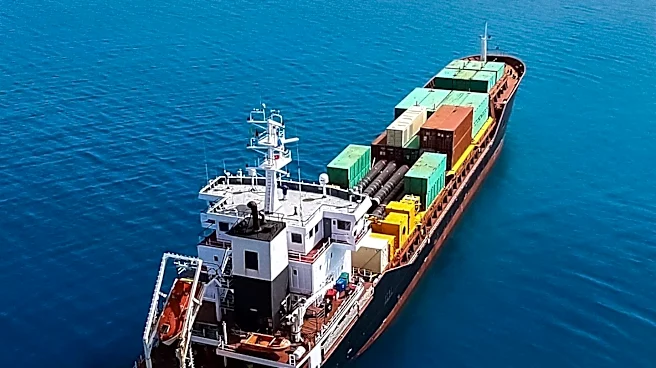
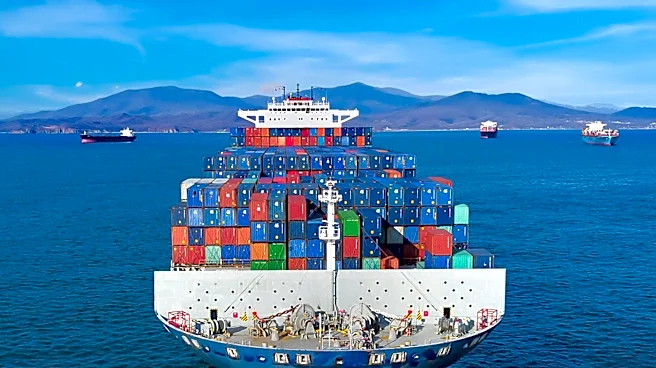
Iran has reportedly shut down the Strait of Hormuz amid escalating tensions with the United States. The closure follows recent military escalations and a statement from Iran's Speaker of the Parliament indicating the end of one-sided deals. The strait's
closure has significant implications for regional stability and global energy markets, as it is a critical chokepoint for oil shipments. Market reactions reflect uncertainty over whether maritime traffic will resume by the end of August.
Why It's Important?
The Strait of Hormuz is a vital passage for global oil trade, and its closure can significantly impact oil prices and supply chains. The ongoing conflict between Iran and the U.S. poses risks to international trade and economic stability. The situation also highlights the geopolitical tensions in the Middle East, with potential implications for global security and diplomatic relations. Stakeholders in the energy sector and governments are closely monitoring the developments.
What's Next?
Observers are watching for any official announcements from Iran or the U.S. regarding negotiations or military actions. The situation remains fluid, with potential for further escalation or de-escalation depending on diplomatic efforts. The status of the Strait of Hormuz and any changes in maritime traffic will be critical indicators of the conflict's direction.