




What's Happening?
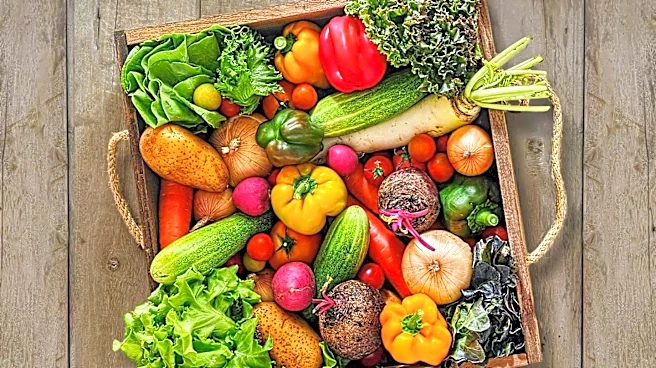
The U.S. Department of Agriculture (USDA) has unveiled its Harvest to Hallways Initiative, a program designed to improve the nutritional quality of school meals across the nation. A key component of this initiative is the allocation of up to $25 million
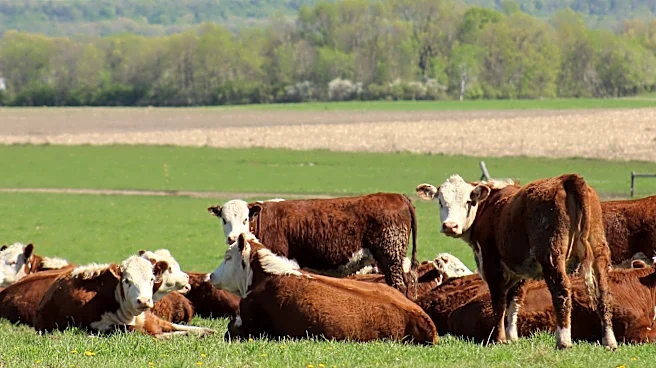
in new Patrick Leahy Farm to School grants for Fiscal Year 2026. These grants aim to facilitate the integration of locally produced foods into child nutrition programs, simultaneously creating new market opportunities for American farmers and ranchers. The initiative also includes a push for greater state adoption of the Pledge for Healthier School Meals, which encourages updated nutrition practices aligned with the dietary guidelines for Americans 2025-2030. An example of previous success cited is the Pennsylvania Beef Council's collaboration with 175 local schools, providing locally raised beef to nearly 300,000 students.
Why It's Important?
This initiative is significant for several reasons, impacting public health, the agricultural sector, and local economies. By promoting the inclusion of locally sourced foods, the program aims to provide healthier meal options for students, potentially addressing issues of childhood nutrition and diet-related health concerns. For American farmers and ranchers, the grants offer new and expanded market opportunities, fostering economic growth within local agricultural communities. The emphasis on the Pledge for Healthier School Meals underscores a broader commitment to aligning school nutrition with current dietary guidelines, which could lead to long-term positive health outcomes for a generation of students. Furthermore, the program strengthens the connection between local food producers and consumers, supporting sustainable food systems and reducing the carbon footprint associated with food transportation.
What's Next?
Looking ahead, the USDA will be accepting applications for the Patrick Leahy Farm to School grants for Fiscal Year 2026, with up to $25 million available. States are expected to be encouraged to adopt the Pledge for Healthier School Meals, which will involve implementing updated nutrition practices. The success of this initiative will likely be measured by the number of schools incorporating local foods, the increase in healthier meal options, and the economic benefits realized by farmers and ranchers. Continued monitoring and evaluation of the program's impact on student health and agricultural markets will be crucial. The USDA will also likely continue to highlight successful partnerships, such as the Pennsylvania Beef Council's work, to encourage broader participation and demonstrate the program's effectiveness.
Beyond the Headlines
Beyond the immediate benefits of healthier school meals and economic opportunities for farmers, the Harvest to Hallways Initiative could foster a deeper appreciation for local food systems and agricultural practices among students. By connecting children with the source of their food, the program has the potential to educate them about nutrition, sustainability, and the importance of supporting local economies. This initiative also highlights a growing trend towards localized food supply chains, which can enhance food security and resilience in communities. The long-term cultural impact could include a shift in dietary preferences towards fresh, locally grown produce, influencing family eating habits and promoting healthier lifestyles beyond the school environment. It also underscores the role of government initiatives in shaping public health and economic development through targeted agricultural support.