






What's Happening?
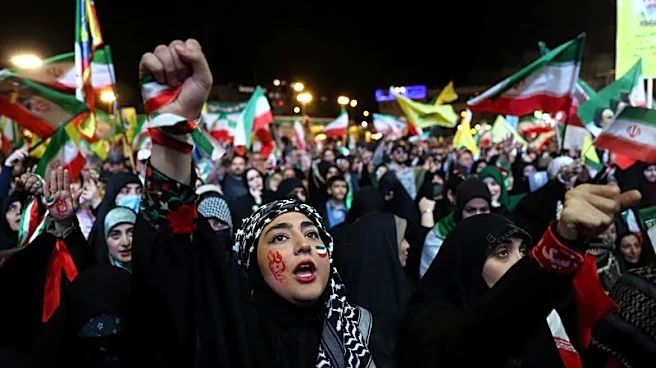
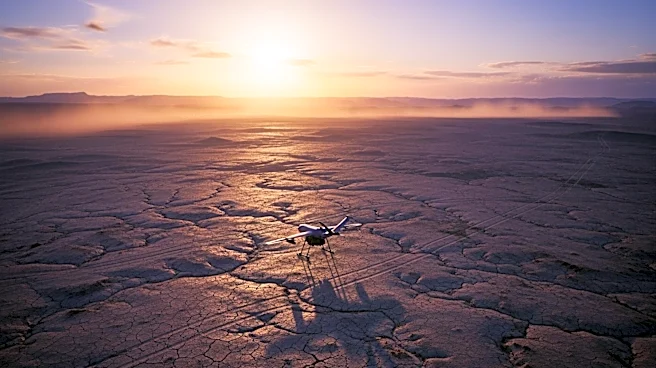
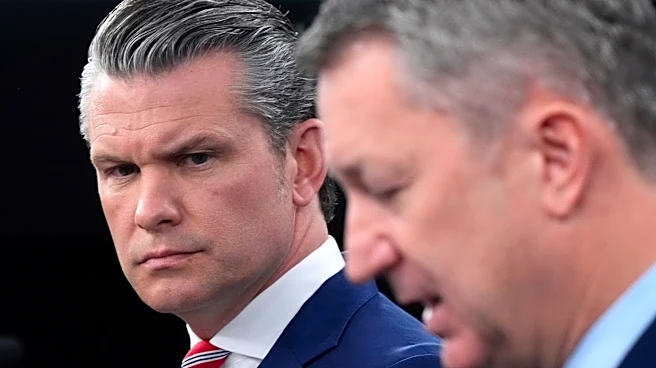
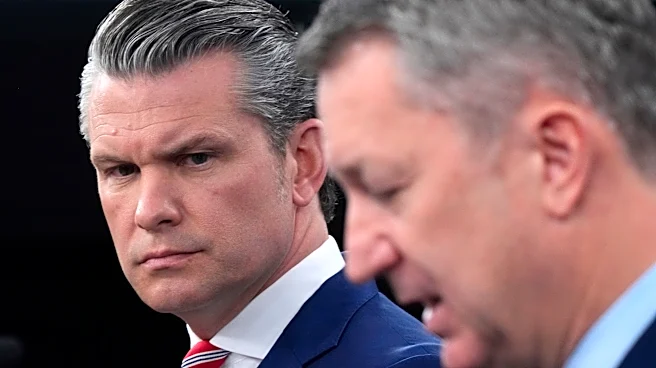
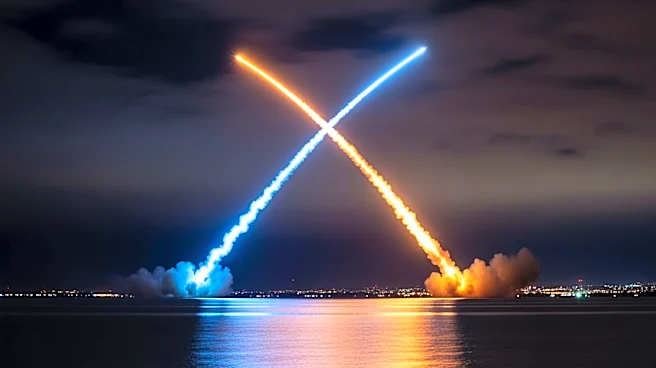
The United States and Iran have engaged in a series of military strikes, escalating tensions between the two nations. According to a report on ABC World News Tonight, the conflict intensified after Iran fired at U.S. Navy destroyers. In response, the U.S. targeted
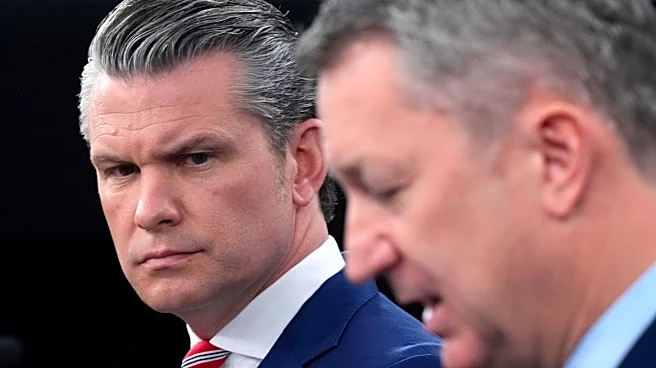
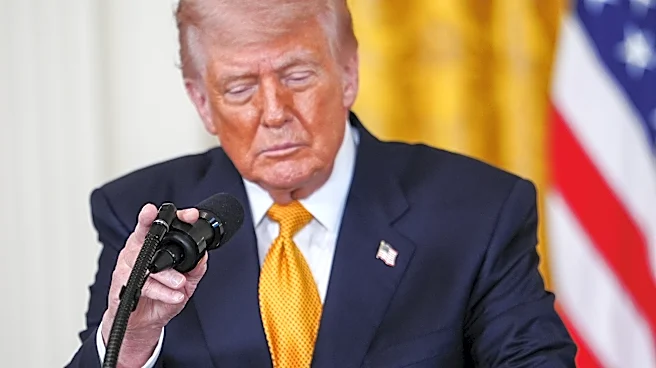
Iranian military facilities and command locations. President Trump described the U.S. strikes as 'a love tap' during an interview with ABC News. This development is part of a broader pattern of hostilities that have characterized U.S.-Iran relations in recent years. The strikes come amid ongoing geopolitical tensions in the Middle East, with both nations asserting their military capabilities.
Why It's Important?
The exchange of strikes between the U.S. and Iran has significant implications for international relations and regional stability in the Middle East. The military actions could potentially lead to further escalation, impacting global oil markets and international diplomatic efforts. The U.S. military presence in the region is a critical component of its foreign policy, and any increase in hostilities could strain alliances and affect global security dynamics. Additionally, the situation may influence domestic politics in both countries, as leaders navigate the complex landscape of international diplomacy and military strategy.
What's Next?
The immediate future may see increased diplomatic efforts to de-escalate the situation, with potential involvement from international organizations and allies. Both nations might engage in back-channel communications to prevent further military confrontations. The U.S. Congress and international bodies could call for hearings or discussions to address the implications of the strikes. Monitoring the situation closely will be essential for stakeholders, including businesses and governments, to anticipate potential disruptions in trade and security.