
What's Happening?
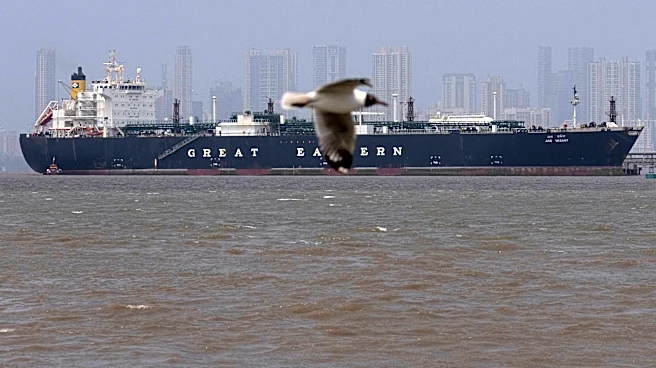
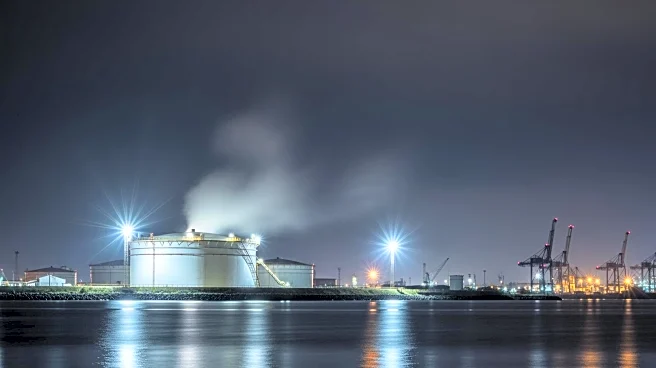
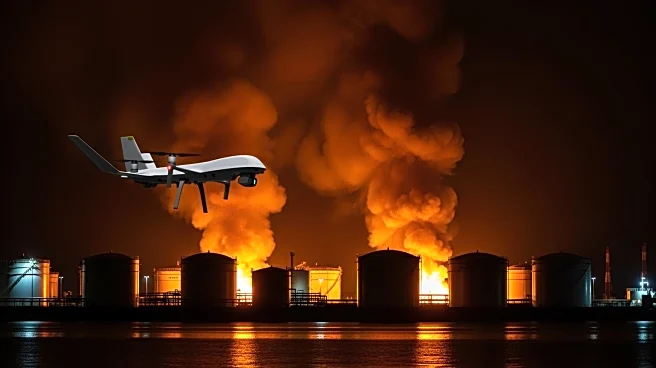
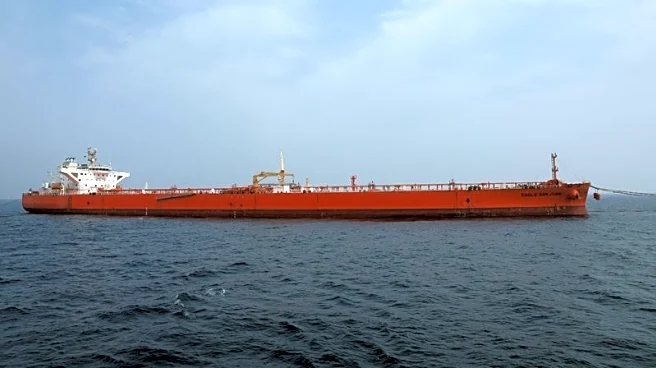
A Kuwaiti oil tanker, Al-Salmi, was set ablaze following a drone attack at Dubai Port's anchorage, as reported by Kuwait's state news agency. The attack, attributed to Iran, damaged the tanker's hull and raised fears of a potential oil spill. This incident
is part of a series of assaults on merchant vessels in the Gulf and Strait of Hormuz, following the U.S. and Israel's attack on Iran on February 28. Dubai authorities confirmed the attack and stated that maritime firefighting teams are working to control the fire. All 24 crew members are reported safe. The Kuwait Petroleum Corp, the parent company of the vessel's operator, is assessing the damage. The attack has led to a rise in U.S. crude futures, reflecting market concerns over regional stability.
Why It's Important?
The attack on the Kuwaiti tanker underscores the escalating tensions in the Gulf region, which have significant implications for global oil markets and maritime security. The Gulf and Strait of Hormuz are critical chokepoints for global oil supply, and disruptions here can lead to increased oil prices, affecting economies worldwide. The incident highlights the vulnerability of commercial shipping to geopolitical conflicts, particularly in regions with ongoing military tensions. For the U.S., this development could influence foreign policy and military strategy in the Middle East, as well as impact domestic energy prices. The safety of maritime routes is crucial for international trade, and continued attacks could lead to increased insurance costs and shipping delays.
What's Next?
In response to the attack, there may be increased military presence and patrols in the Gulf region to ensure the safety of commercial vessels. The international community, including the U.S., might engage in diplomatic efforts to de-escalate tensions between Iran and other regional players. Shipping companies may need to reassess their routes and security measures to mitigate risks. Additionally, there could be calls for enhanced international cooperation to address maritime security threats. The situation may also prompt discussions on energy security and the diversification of energy sources to reduce dependency on oil transported through vulnerable regions.