
What's Happening?
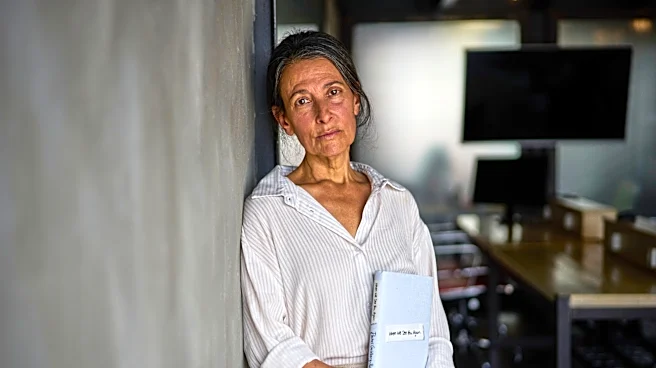
Eli Sharabi, a former hostage of Hamas, shared his emotional journey and reflections on Independence Day following the tragic loss of his family during the October 7 massacre. Sharabi was abducted from
his home in Kibbutz Be’eri and spent 491 days in captivity. His wife, Lian, and daughters, Noya and Yahel, were murdered in their home, and his brother, Yossi, was kidnapped and later killed in Gaza. Independence Day, once a joyful family gathering, now holds a deeper meaning for Sharabi as he honors his lost loved ones. Despite the trauma, he has found ways to appreciate life’s basic freedoms and continues to commemorate his family while living a life filled with gratitude and resilience.
Why It's Important?
Sharabi's story highlights the personal and emotional toll of the ongoing conflict in Gaza, illustrating the profound impact on individuals and families. His reflections underscore the broader human cost of political and military strife, emphasizing the need for peace and security. Sharabi's ability to find strength and gratitude amidst tragedy serves as an inspiration and a reminder of the resilience of the human spirit. His experiences also bring attention to the psychological and emotional challenges faced by those who survive such traumatic events, highlighting the importance of mental health support and community solidarity.
What's Next?
Sharabi continues to navigate life after captivity, focusing on personal healing and public speaking to process his experiences. He remains engaged with the community, sharing his story to inspire others and raise awareness about the realities of conflict. As he looks forward, Sharabi aims to return to a more private life, balancing public engagement with personal recovery. His journey may influence discussions on how societies support individuals affected by conflict and the importance of addressing both physical and emotional recovery in post-conflict scenarios.
Beyond the Headlines
Sharabi's narrative sheds light on the long-term psychological effects of captivity and loss, challenging societal perceptions of trauma and recovery. His approach to healing, which includes public speaking and community interaction, offers a unique perspective on coping mechanisms and the role of personal agency in overcoming adversity. The story also raises ethical questions about the responsibilities of governments and organizations in protecting civilians and providing adequate support for those affected by conflict.