







What's Happening?
Basements in dry climates, particularly in the arid and semi-arid Western U.S., are susceptible to specific moisture problems that differ from those in humid regions. According to Basement Moisture Lab, these issues often stem from expansive clay soils
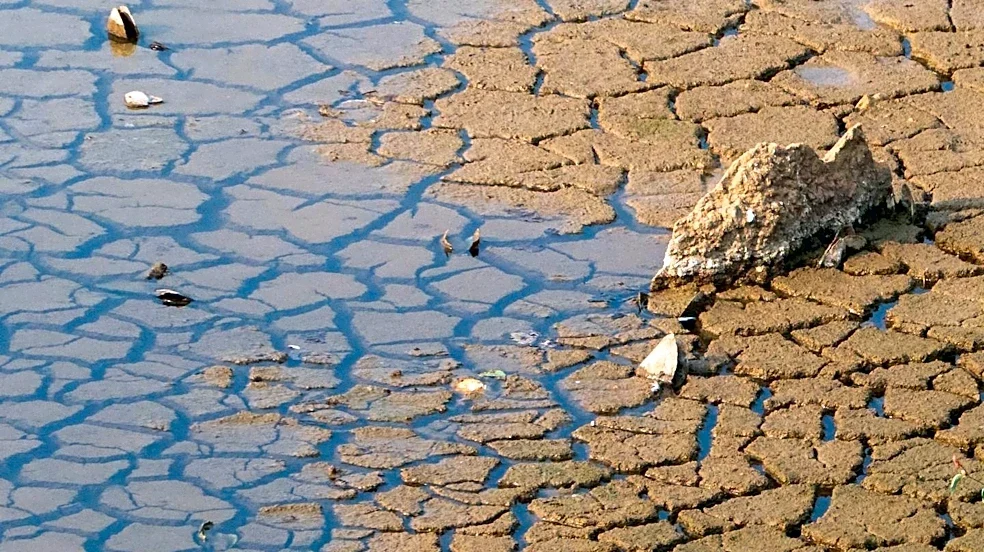
that shrink during droughts and swell when wet, as well as from human-introduced water sources. Lawn sprinklers that overspray onto foundations, flower beds planted against homes, and leaky drip lines can direct water to undesirable areas. Additionally, evaporative coolers, or 'swamp coolers,' can introduce significant water vapor into basements, especially if ducts or open stairwells allow cool, damp air to settle on cold surfaces. Monsoon rains in regions like the desert Southwest exacerbate these problems, as dry, sun-hardened ground absorbs water slowly, leading to runoff that can flood foundations, particularly without proper gutter systems.
Why It's Important?
These unique dry-climate basement issues have significant implications for homeowners and the construction industry in affected regions. The shrinking and swelling of expansive clay soils can lead to structural damage, such as foundation cracks, which are costly to repair and can compromise a home's integrity. The introduction of moisture from irrigation and evaporative coolers can foster mold growth, posing health risks to occupants and decreasing property values. Furthermore, the lack of awareness regarding these specific problems, often due to a focus on wet-climate moisture solutions, means many homeowners may neglect preventative measures like proper grading and gutter installation. This oversight can result in unexpected and expensive repairs, impacting household finances and potentially leading to long-term structural and health concerns.
What's Next?
Homeowners in dry climates are advised to implement specific preventative measures to mitigate basement moisture risks. This includes adjusting sprinkler heads to direct water away from foundations, moving plants and irrigation systems a few feet from the house, and using gravel or rock in the immediate vicinity of the wall. Regular checks for leaks in drip lines at the start of each irrigation season are also recommended. Installing gutters and downspout extensions that discharge water at least six feet away from the house is crucial, as is ensuring the yard slopes away from the foundation. For homes with evaporative coolers, keeping basement supply vents closed or redirected and monitoring basement humidity with a hygrometer can help prevent dampness. Addressing these issues proactively can prevent significant structural damage and health hazards.
Beyond the Headlines
The challenges faced by dry-climate basements highlight a broader need for region-specific building codes and homeowner education. Traditional moisture control advice, often tailored to humid environments, may be insufficient or even counterproductive in arid regions. This disparity underscores the importance of localized expertise in construction and home maintenance. The issue also touches upon environmental considerations, as water conservation efforts in dry climates might inadvertently lead to foundation problems if not carefully managed. The reliance on irrigation to maintain green landscapes in arid areas creates a delicate balance between aesthetic preferences and structural integrity. Long-term, this could drive innovation in drought-resistant landscaping and more integrated home climate control systems that account for regional environmental factors.