


What's Happening?
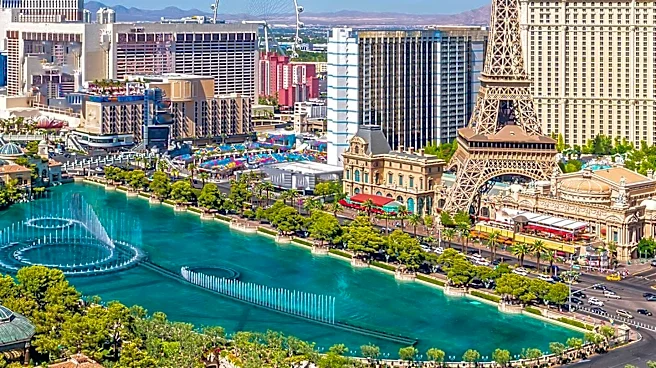
Sam Boyd, a casino owner, significantly influenced the demographic and cultural landscape of Las Vegas by strategically marketing his California Hotel & Casino to Hawaiian residents starting in 1975. Initially, Boyd opened the $10 million downtown Las Vegas property
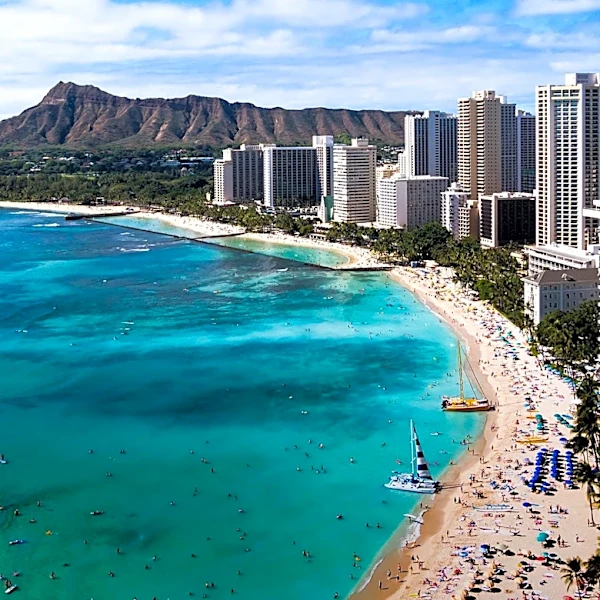
with the aim of attracting visitors from Southern California. However, facing financial losses due to Southern California visitors preferring the Strip, Boyd shifted his focus. He began making sales trips to Hawaii, offering travel agents free seminars and Coors beer to promote all-inclusive package trips to 'The Cal.' These packages, which included airfare, hotel nights, and food-and-beverage credit, were sometimes priced as low as $9.70 per person. This initiative successfully drew a large Hawaiian clientele, leading to a substantial community of Hawaiian transplants in Las Vegas, now affectionately known as the 'Ninth Island.' The California Hotel & Casino continues to attract a significant percentage of patrons from Hawaii, with recent reports indicating that Hawaiians comprise approximately 75% of occupied room nights at the property.
Why It's Important?
Boyd's innovative marketing strategy had a profound and lasting impact on the cultural and economic fabric of Las Vegas. By creating a welcoming environment with familiar food and Hawaiian-themed decor, he fostered a sense of home for Hawaiian visitors and eventually, residents. This led to the establishment of a vibrant Hawaiian community in the Mojave Desert, influencing local cuisine, events, and social structures. The success of 'The Cal' demonstrated the power of targeted marketing and cultural sensitivity in the hospitality industry. It also highlighted how a specific business strategy could inadvertently drive significant demographic shifts and create a unique cultural enclave within a major U.S. city. The continued strong patronage from Hawaii underscores the enduring legacy of Boyd's approach and the deep connection many Hawaiians feel to Las Vegas, impacting local businesses and community organizations that cater to this population.
What's Next?
The Hawaiian community in Las Vegas continues to thrive and evolve, with ongoing efforts to preserve and celebrate Hawaiian culture. Events like the Killah Kine Night Market, the Flavors of Aloha Festival, and the Village Festival regularly draw large crowds, showcasing Hawaiian-owned businesses, food, and performances. The growth of Hawaiian food trucks and restaurants further solidifies the cultural presence. Organizations like the Las Vegas Hawaiian Civic Club actively work to support Native Hawaiians and Pacific Islanders, promoting traditions, language, and arts. As the cost of living in Hawaii remains high, Las Vegas continues to be an attractive destination for Hawaiians seeking more affordable homeownership and employment opportunities. This ongoing migration suggests a continued expansion and deepening of Hawaiian cultural influence in the city, with potential for more businesses and community initiatives catering to this demographic.
Beyond the Headlines
The story of Sam Boyd and the 'Ninth Island' illustrates a unique case of cultural transplantation driven by economic opportunity and strategic business development. It highlights how a commercial venture can inadvertently become a catalyst for significant social and cultural change, creating a diaspora that maintains strong ties to its origins while adapting to a new environment. The phenomenon also raises questions about cultural preservation and adaptation in a new setting, as Hawaiian traditions, language, and community structures are actively maintained and reinterpreted in Las Vegas. This case study offers insights into the dynamics of migration, community building, and the role of business in shaping urban cultural landscapes, demonstrating how a casino's marketing strategy could lead to the formation of a distinct cultural identity within a major American city.