



What's Happening?
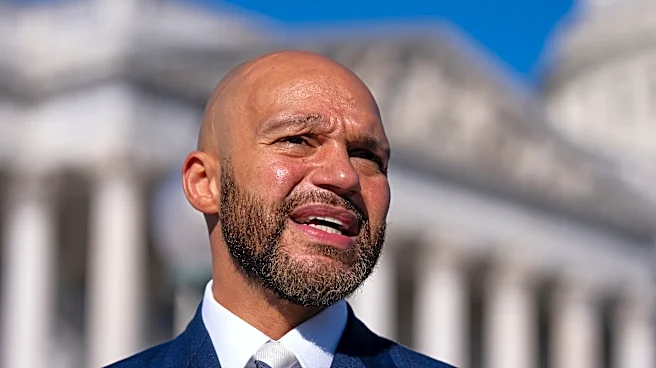
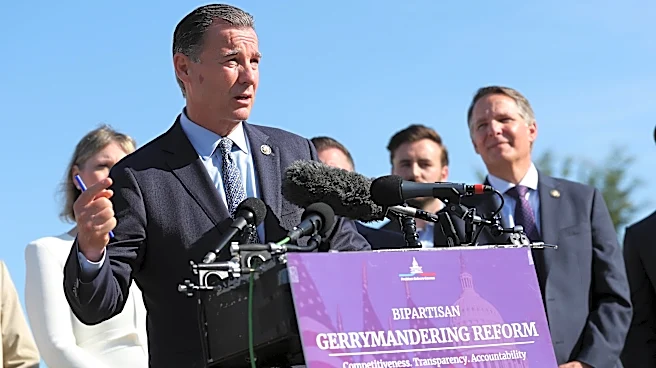
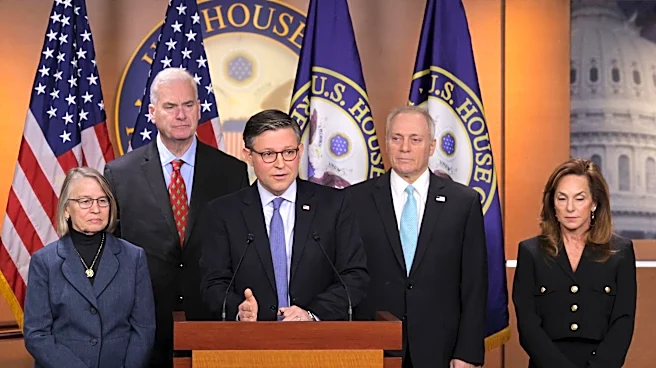
Senator Mark Kelly (D-AZ) and actress Olivia Munn unveiled new bipartisan legislation, the 'Know Your Risk Act,' on November 18, 2026. The bill aims to standardize and expand breast cancer risk assessments, making them a routine part of healthcare. The announcement
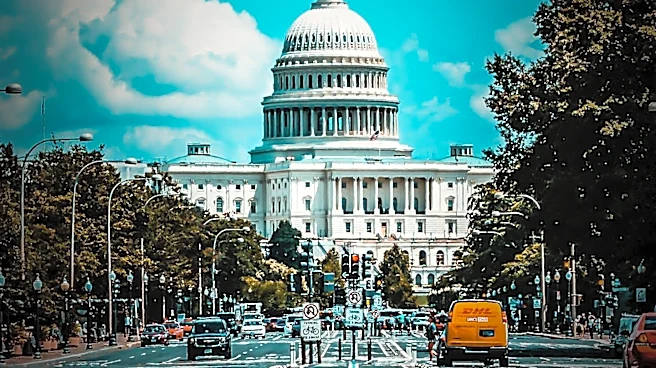
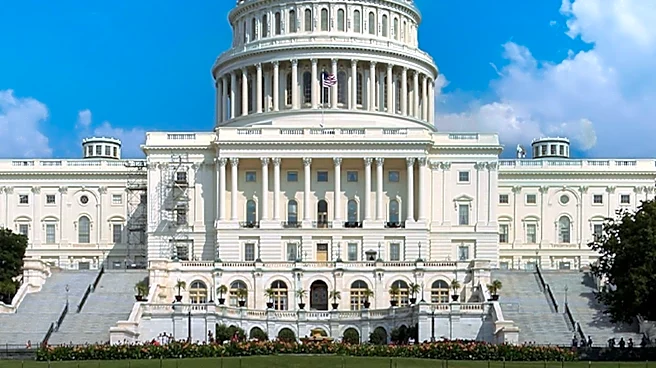
was made during a press conference outside the U.S. Capitol in Washington, D.C. Senator Kelly emphasized that while the tools for risk assessment already exist, doctors often do not utilize them, and women are frequently unaware of their availability. Munn, a breast cancer survivor diagnosed in 2023, shared her personal experience, noting that a risk assessment prompted further testing despite a normal mammogram and negative genetic results, leading to the early detection of aggressive cancer. She highlighted that without the assessment, her cancer might not have been identified as early.
Why It's Important?
This legislation is important because it addresses a critical gap in current breast cancer screening practices, potentially leading to earlier detection and improved outcomes for countless women. By standardizing and expanding risk assessments, the 'Know Your Risk Act' could empower more individuals to understand their personal risk factors and access appropriate, timely screenings beyond standard mammograms. Early detection is crucial, as the National Cancer Institute reports a five-year relative survival rate of over 99% for localized breast cancer. The involvement of a public figure like Olivia Munn, who directly benefited from such an assessment, lends significant weight and visibility to the initiative, helping to raise public awareness and encourage proactive health measures. This bill could significantly impact public health by shifting towards a more personalized and preventative approach to breast cancer care.
What's Next?
The introduction of the 'Know Your Risk Act' marks the initial step in the legislative process. The bill will now proceed through Congress, where it will undergo committee review, potential amendments, and votes in both the Senate and the House of Representatives. Bipartisan support, as indicated by its unveiling, may facilitate its passage. Advocacy groups, healthcare organizations, and breast cancer survivors are likely to rally support for the legislation, emphasizing its potential to save lives. If passed, the act would necessitate changes in healthcare protocols, requiring medical professionals to integrate risk assessments more routinely into patient care. This could also lead to increased public education campaigns to inform women about the availability and importance of these assessments.
Beyond the Headlines
Beyond its immediate impact on breast cancer screening, the 'Know Your Risk Act' touches upon broader themes of healthcare access, patient empowerment, and the integration of personalized medicine. The fact that existing tools are underutilized points to systemic issues within the healthcare system, including potential gaps in physician training, time constraints, and lack of awareness. This legislation could serve as a model for addressing similar issues in other areas of preventative health. Furthermore, Olivia Munn's story underscores the power of individual advocacy in driving policy change and highlights the importance of patients being proactive in their own healthcare. It also raises questions about equitable access to advanced screening methods and how to ensure that all women, regardless of socioeconomic status, can benefit from comprehensive risk assessments.