





What's Happening?
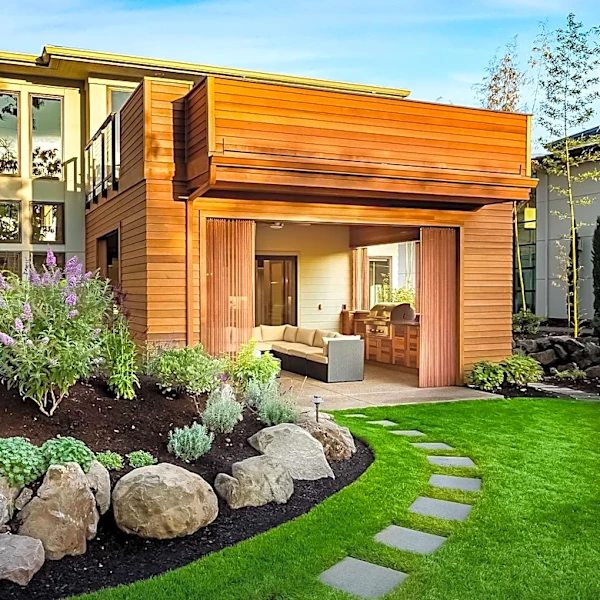
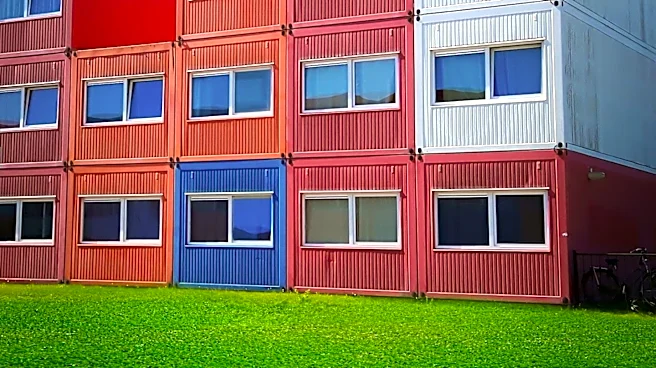
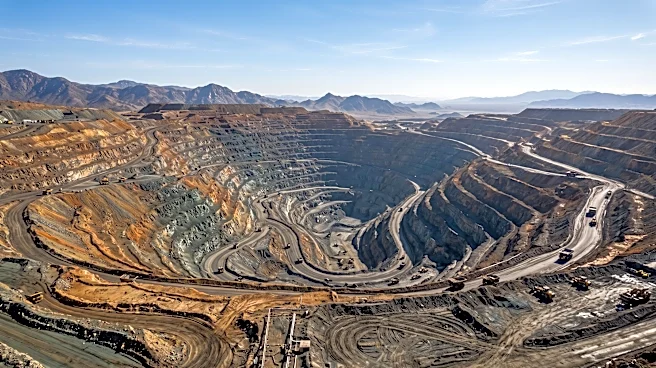
The U.S. construction industry is increasingly adopting sustainable materials to reduce environmental impact and transition towards a circular economy. Key sustainable materials include bamboo, reclaimed wood, recycled metal, and low-carbon concrete.
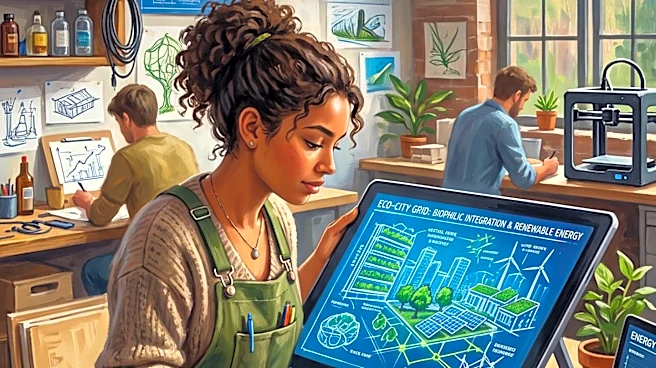
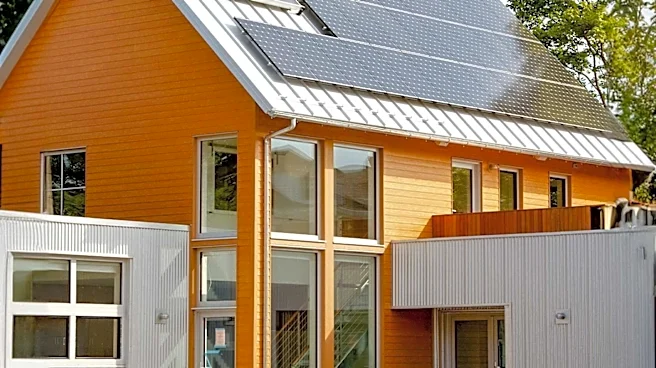
Bamboo is valued for its rapid renewability and durability, while reclaimed wood helps decrease deforestation by repurposing timber from old structures. Recycled metal reduces the need for new raw material extraction and minimizes waste. Low-carbon concrete offers a cleaner alternative to traditional concrete, which is a significant contributor to CO2 emissions. These materials are integral to sustainable architecture, which also emphasizes energy efficiency through passive design, renewable energy systems like solar panels and wind turbines, and smart energy management. Water conservation strategies, such as rainwater harvesting, greywater recycling, and water-efficient plumbing fixtures, are also critical components of this movement. The goal is to minimize energy consumption, reduce carbon footprints, and promote resource efficiency throughout a building's lifecycle.
Why It's Important?
The shift towards sustainable materials in U.S. construction is crucial for mitigating climate change and fostering a more resilient economy. By reducing reliance on virgin resources and minimizing waste, the industry can significantly lower its carbon footprint and decrease the environmental impact of building activities. This trend supports the development of a circular economy, where resources are utilized more efficiently and waste is minimized. The adoption of these materials also contributes to healthier indoor environments through reduced toxins and improved air quality, benefiting occupants' well-being. Furthermore, the integration of renewable energy and water conservation techniques can lead to long-term cost savings for building owners and occupants, making sustainable practices economically viable. This movement also drives innovation in material science and construction methods, positioning the U.S. as a leader in green building technologies and practices.
What's Next?
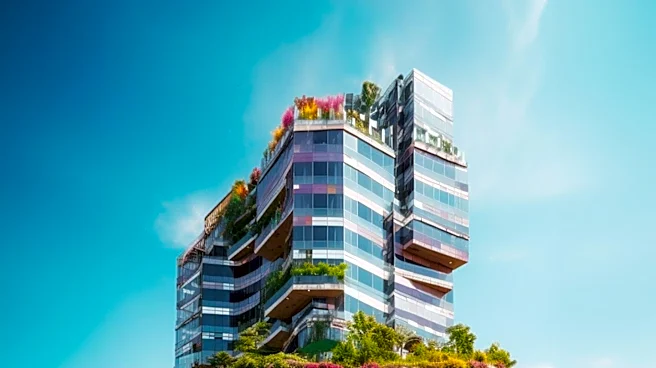
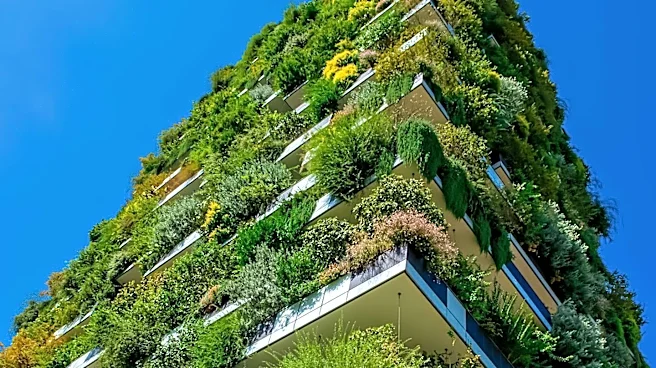
The future of sustainable architecture in the U.S. is expected to see tighter green building regulations and an increased integration of advanced renewable energy technologies. Governments are likely to establish stricter building codes and promote certifications like LEED and BREEAM to ensure compliance and encourage sustainable practices. Advances in solar technology, wind generation, and battery storage will make it easier for buildings to achieve self-sufficiency in energy. There will also be a continued focus on urban green spaces and vertical forests to improve air quality and biodiversity in cities. The construction sector will further embrace the circular economy model, emphasizing material reuse, recycling, and waste reduction throughout a building's life. Additionally, climate-resilient designs will become more prevalent to ensure buildings can withstand harsh weather conditions, contributing to their longevity and sustainability.
Beyond the Headlines
Beyond the immediate environmental and economic benefits, the widespread adoption of sustainable materials and practices in U.S. architecture has deeper implications for societal values and technological advancement. It signifies a cultural shift towards greater environmental consciousness and a recognition of the interconnectedness between human health and the built environment. The emphasis on non-toxic materials and natural ventilation in sustainable buildings highlights a growing concern for indoor environmental quality, which can impact public health and productivity. This movement also fosters interdisciplinary collaboration between architects, engineers, and policymakers, driving innovation in design and construction. The long-term impact could include a redefinition of urban landscapes, with cities becoming greener, more resilient, and more livable, ultimately contributing to a more sustainable future for generations to come.