





What's Happening?
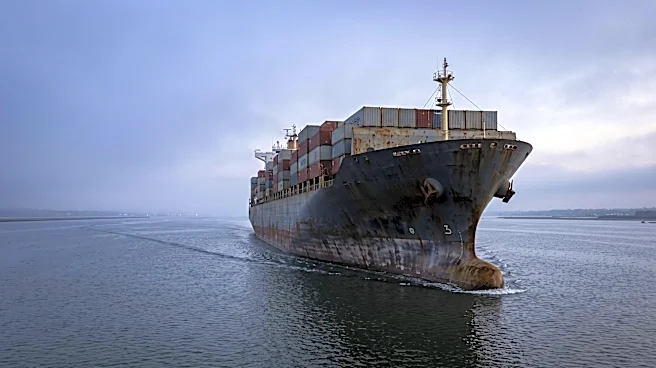
The Department of Homeland Security (DHS) has approved a 90-day extension of a waiver to the Jones Act, allowing eligible cargo to be transported between U.S. ports on foreign-flagged vessels. This extension, requested by the Department of War (DOW),
is effective from November 16, 2026, through February 14, 2027. Under the Jones Act, goods moved between U.S. ports typically must use U.S.-built, U.S.-owned, and U.S.-authorized vessels. The waiver permits foreign-flagged vessels to carry specific cargo, provided businesses request and receive authorization before arranging transportation. The Customs and Border Protection (CBP) has also issued an updated list of products that may be covered by this waiver. Businesses must submit a written request to DOW and the Maritime Administration (MARAD), with CBP copied, detailing vessel, carrier, voyage, and cargo information, along with a national defense justification. MARAD will then conduct a market survey to determine if U.S. vessels are available, and DOW will make the final decision on the waiver's applicability.
Why It's Important?
This extension of the Jones Act waiver is significant for U.S. businesses involved in maritime shipping, particularly those dealing with specific commodities that may face transportation challenges on U.S.-flagged vessels. The Jones Act, a cornerstone of U.S. maritime policy, aims to support the domestic shipping industry and national security. However, waivers are granted when domestic capacity is insufficient or when national defense interests are cited. The continued reliance on foreign-flagged vessels, even temporarily, highlights potential gaps in U.S. maritime capabilities or capacity to meet current shipping demands. For businesses, the waiver offers flexibility and potentially lower costs by expanding their options for cargo transport. Conversely, U.S. maritime operators might view these waivers as undermining the protective intent of the Jones Act, potentially impacting their business and the long-term health of the domestic fleet. The requirement for a national defense justification underscores the strategic importance of these shipping decisions.
What's Next?
Businesses planning to utilize this extended waiver must promptly submit their authorization requests to the Department of War and the Maritime Administration, ensuring all required documentation, including a national defense justification, is complete. The deadline for loading covered products onto relevant vessels under this extension is 11:59 p.m. ET on February 14, 2027. MARAD will continue to conduct market surveys to assess the availability of coastwise-qualified U.S. vessels, and DOW will make decisions on individual voyage qualifications. Following authorization, businesses can proceed with arranging transportation via foreign-flagged vessels. Vessel owners or operators and waiver requesters are also mandated to submit a voyage report to MARAD within 10 days after the voyage concludes. The ongoing process of requesting and approving these waivers suggests that the U.S. government will continue to balance the protective measures of the Jones Act with immediate logistical and national defense needs.
Beyond the Headlines
The repeated extensions of the Jones Act waiver, particularly at the request of the Department of War, point to a deeper strategic consideration regarding U.S. maritime logistics and national security. While the Jones Act is intended to ensure a robust domestic merchant marine for both commercial and defense purposes, these waivers suggest that the current U.S.-flagged fleet may not always meet the demands of specific cargo movements or strategic requirements. This situation could prompt further discussions within government and industry about investment in U.S. shipbuilding, fleet expansion, and crew training to reduce reliance on foreign vessels. The ethical implications revolve around balancing economic efficiency and flexibility for businesses with the long-term goal of maintaining a strong domestic maritime industry. Culturally, the Jones Act represents a commitment to American maritime independence, and frequent waivers could signal a shift in how this independence is practically achieved or maintained in a globalized shipping environment.