
What's Happening?
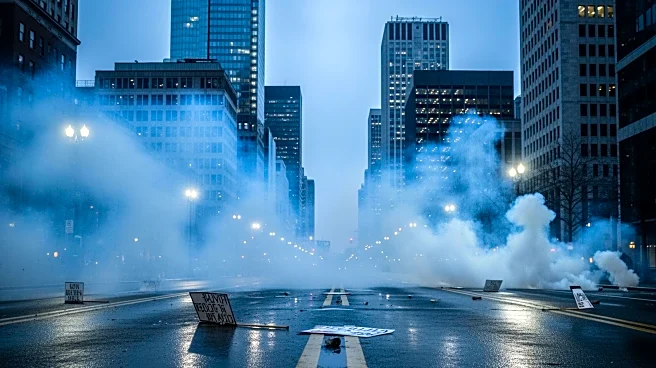
A federal judge has issued a temporary restraining order limiting the use of tear gas and other munitions by federal agents at an Immigration and Customs Enforcement (ICE) facility in Portland, Oregon.
This decision is part of an ongoing lawsuit filed by protesters and freelance journalists against the U.S. Department of Homeland Security, alleging excessive use of force. The American Civil Liberties Union (ACLU) is representing the plaintiffs. The order restricts agents from using such munitions unless there is an imminent threat of physical harm. This legal action follows months of protests at the facility, which have often been met with forceful responses from federal agents.
Why It's Important?
The ruling highlights ongoing tensions between federal authorities and civil rights groups over the handling of protests, particularly those related to immigration enforcement. The decision underscores the judiciary's role in balancing law enforcement practices with constitutional rights to free speech and assembly. The case could set a precedent for how federal agencies manage protests, potentially influencing public policy and law enforcement strategies nationwide. The outcome may affect the operational protocols of federal agencies and their interactions with local communities, especially in areas with significant protest activities.
What's Next?
A hearing is scheduled for March 2 to consider making the temporary restraining order permanent. The outcome of this hearing could have lasting implications for federal law enforcement practices. Additionally, Oregon's congressional representatives have called for the withdrawal of federal agents from Portland, which may lead to further political and legal developments. The case could also prompt other jurisdictions to reevaluate their policies regarding the use of force in managing protests.