




What's Happening?
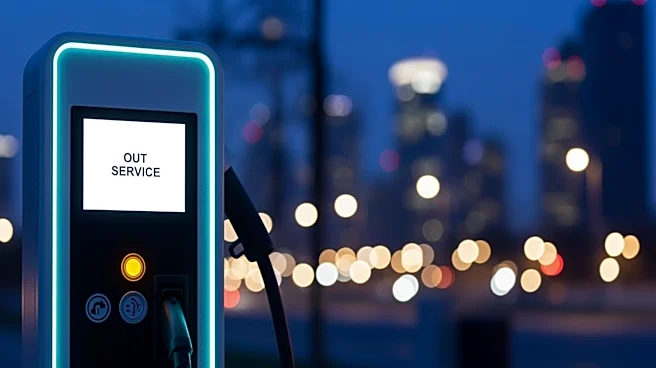
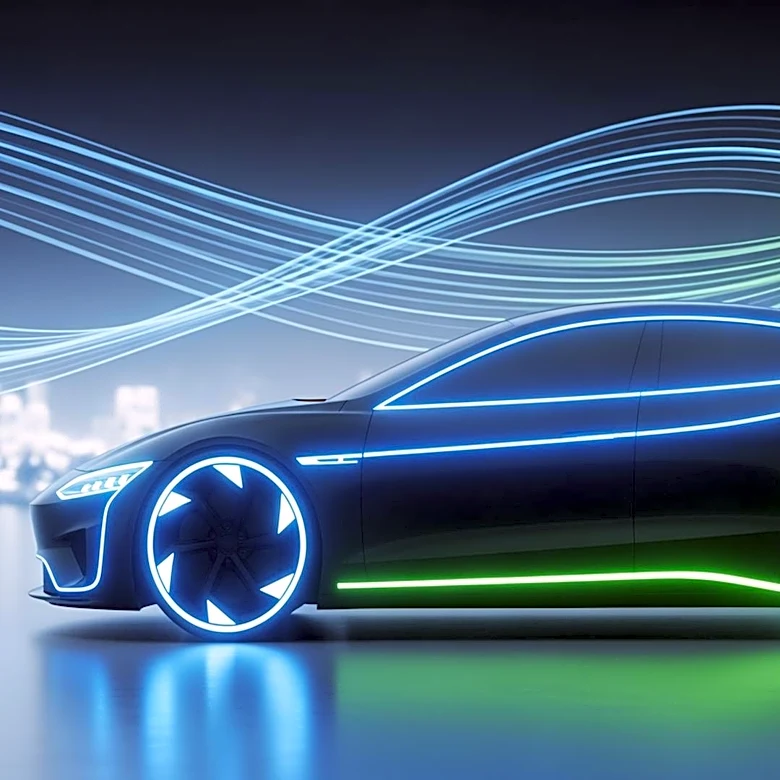
Washington State's electric vehicle (EV) incentive program, launched in 2024, quickly depleted its $45 million budget due to overwhelming demand. The program offered rebates ranging from $2,500 to $9,000 for new, used, or leased EVs, with eligibility
based on income up to 300% of the federal poverty level. The initiative aimed to boost EV adoption and increase the availability of secondhand electric cars. The program's popularity highlighted the strong demand for affordable EVs, with 90% of participants indicating they would not have purchased an EV without the rebate. The program also allowed for 'stacking' with federal incentives, further enhancing its appeal.
Why It's Important?
The rapid exhaustion of funds underscores the significant consumer interest in electric vehicles when financial barriers are reduced. This demand signals a potential shift in the automotive market towards more sustainable options, aligning with broader environmental goals. The program's success could influence future policy decisions, encouraging other states to adopt similar incentives. Additionally, the focus on increasing the secondhand EV market could make electric vehicles more accessible to a wider audience, promoting environmental benefits and reducing reliance on fossil fuels.
What's Next?
As the program's funds are depleted, Washington State may consider additional funding or new initiatives to continue supporting EV adoption. Policymakers might evaluate the program's impact and explore ways to sustain momentum in the EV market. The success of this initiative could prompt other states to implement similar programs, potentially leading to a nationwide increase in EV adoption. Stakeholders, including automakers and environmental groups, may advocate for continued support and expansion of such incentives.