


What's Happening?
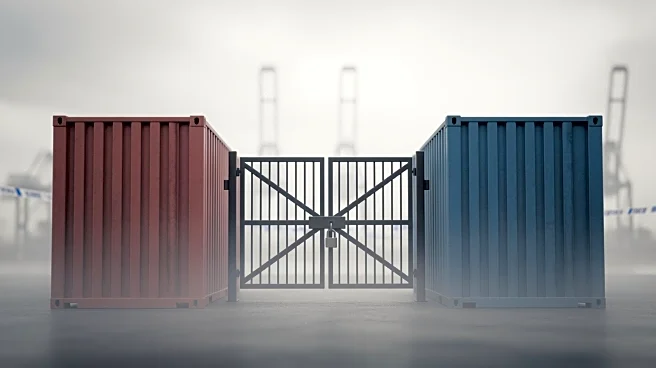
China has announced a ban on the export of equipment with dual military and civilian applications to Japan, including items that use rare earth elements. This move is part of escalating tensions between the two countries, following comments by Japanese
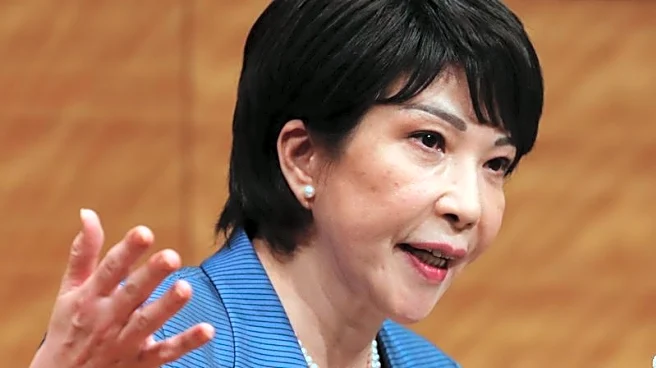
Prime Minister Sanae Takaichi regarding security challenges linked to Taiwan. In addition to the export ban, China has launched an anti-dumping investigation into a Japanese chemical compound used in semiconductor manufacturing. The situation has been further aggravated by China's cancellation of a visit by Japanese business leaders and pressure on Chinese travel agencies to cancel trips to Japan. These actions come in response to Takaichi's remarks about Taiwan, which China views as interference in its domestic affairs.
Why It's Important?
The export ban and investigation could significantly impact Japan's semiconductor industry, which relies on the chemical compounds now under scrutiny. The ban on dual-use goods, including semiconductors and rare earth elements, could disrupt supply chains and affect Japanese businesses. This development highlights the geopolitical tensions in the region, with China using economic measures to exert pressure on Japan. The situation also underscores the strategic importance of Taiwan in regional security dynamics, as well as the potential for economic measures to be used as tools of political influence. The ongoing tensions could lead to further economic and diplomatic repercussions for both countries.
What's Next?
The immediate future may see further diplomatic protests from Japan and potential retaliatory measures. Japan has already lodged an official protest against China's actions, describing them as unacceptable. The situation could escalate if neither side is willing to back down, potentially leading to more stringent economic measures or diplomatic standoffs. Analysts suggest that finding a resolution will be challenging, as both countries are reluctant to lose face. The international community, particularly countries with vested interests in the region, will likely monitor the situation closely, as it could have broader implications for regional stability and international trade.
Beyond the Headlines
The conflict between China and Japan is not just about trade but also involves deeper political issues. China's actions are seen as an attempt to influence Japanese politics by making life difficult for Prime Minister Takaichi, whom Beijing views as too conservative. This situation reflects the broader geopolitical rivalry between the two nations, rooted in historical grievances and territorial disputes. The use of economic measures as political tools could set a precedent for future conflicts, highlighting the complex interplay between trade and politics in international relations.