



What's Happening?
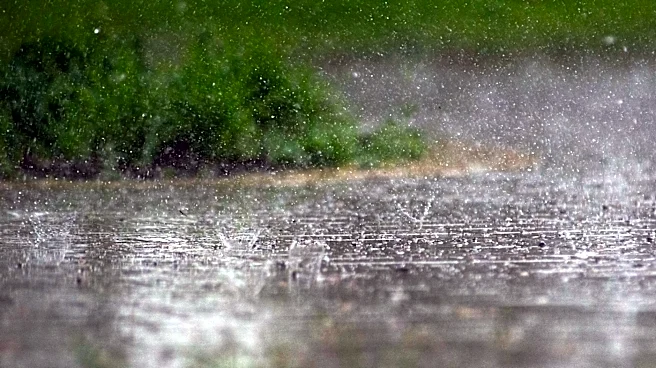
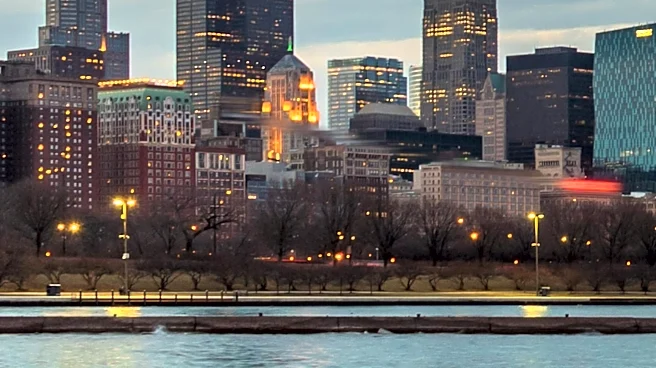
A wet summer in the Chicago area has led to a significant increase in mosquito populations, creating abundant breeding grounds for the insects. Experts, including Justin Harbison, an assistant professor at Loyola University, have observed mosquito larvae
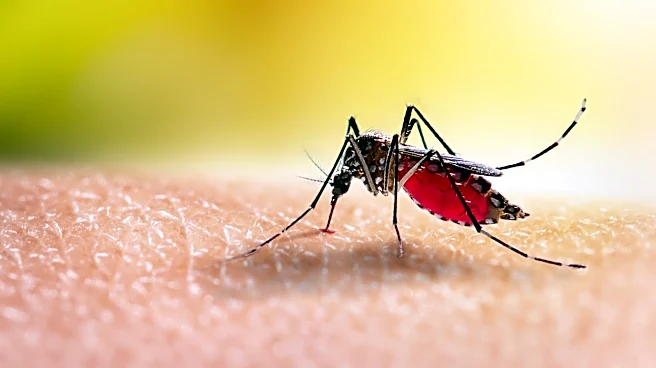
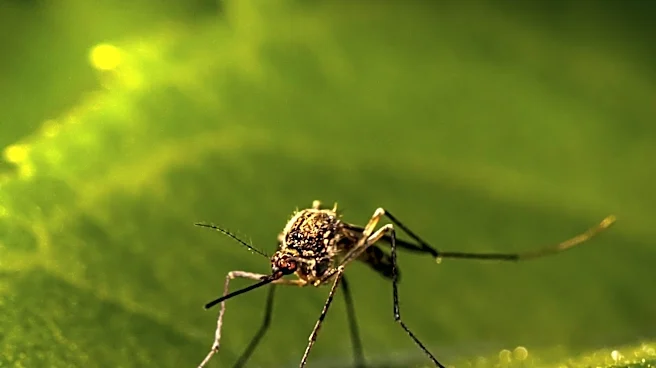
in minimal amounts of standing water, such as less than an inch collected on a tarp. This highlights how easily mosquitoes can reproduce in residential areas. Among the species identified are culex mosquitoes, known carriers of West Nile virus, and the Asian tiger mosquito, which is currently prevalent in Cook County. George Balis of Clarke Mosquito Control notes that the Chicago area is home to 35 to 50 different types of mosquitoes, with most feeding in the evening, though some, like the Asian tiger mosquito, are active during daylight hours. Efforts to control these populations include treating sewers with pesticides to prevent larvae from developing into biting adults, a method that aims to mitigate disease transmission before it occurs.
Why It's Important?
The surge in mosquito populations in the Chicago area poses a public health concern due to the potential for increased transmission of mosquito-borne diseases, such as West Nile virus. The presence of species like the culex mosquito, a known vector for West Nile, means that residents face a higher risk of infection. This situation underscores the critical need for effective mosquito control measures and public awareness regarding preventive actions. The economic impact could include increased healthcare costs associated with treating mosquito-borne illnesses and potential disruptions to outdoor activities and tourism if mosquito populations become excessively bothersome. Furthermore, the adaptability of mosquitoes to breed in small amounts of standing water emphasizes the challenge in controlling their spread, requiring coordinated efforts from local authorities and individual residents to manage breeding sites.
What's Next?
In response to the increased mosquito activity, Clarke Mosquito Control is continuing its efforts to reduce populations, focusing on controlling insects before they reach adulthood through methods like spraying and larvicide application. Residents are advised to take personal precautions, including wearing mosquito repellent, as experts state this is the most effective way to reduce the risk of bites. The ongoing wet conditions suggest that mosquito populations may remain elevated, necessitating sustained monitoring and control measures throughout the summer. Public health campaigns may also be launched to educate residents on how to eliminate standing water around their homes, which serves as breeding grounds for mosquitoes. Continued collaboration between local government, pest control services, and the public will be crucial in managing the situation and preventing the spread of mosquito-borne diseases.
Beyond the Headlines
The situation in Chicago reflects a broader environmental challenge where changing weather patterns, such as increased rainfall, can directly impact public health by fostering conditions conducive to disease vectors. The expansion of invasive mosquito species, like the Asian tiger mosquito, further complicates control efforts and highlights the need for adaptive strategies in urban pest management. This scenario also brings to light the ethical considerations surrounding pesticide use in residential areas, balancing the need for public health protection against potential environmental impacts. Long-term, this event could prompt greater investment in climate change adaptation strategies that include robust public health infrastructure and advanced entomological research to predict and mitigate future outbreaks of mosquito-borne illnesses. It also emphasizes the interconnectedness of environmental health and human well-being, urging a holistic approach to urban planning and public health policy.