






What's Happening?
Indonesia is proposing the establishment of a Just Energy Transition Fund (JETF) to address the significant investment gap in its renewable energy sector, particularly in rural and island communities. The country's net-zero goal necessitates an annual
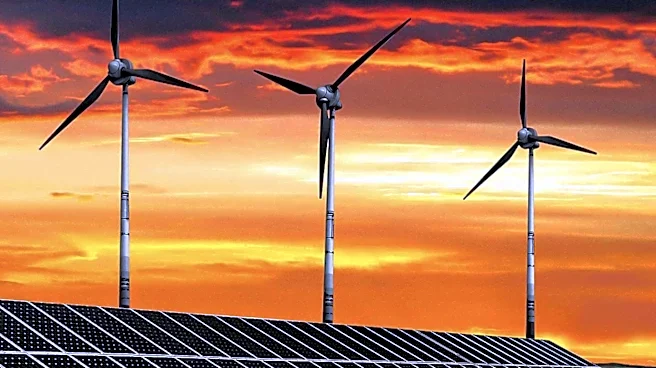
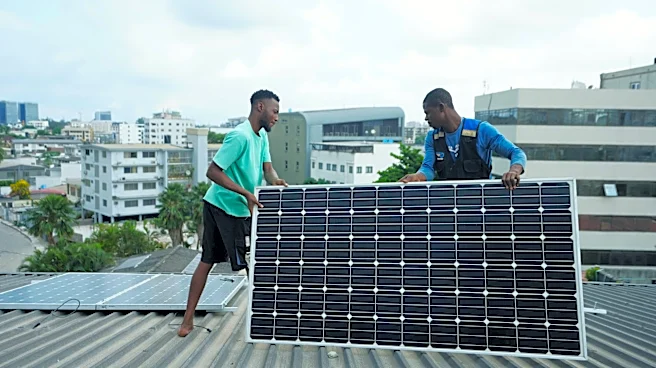
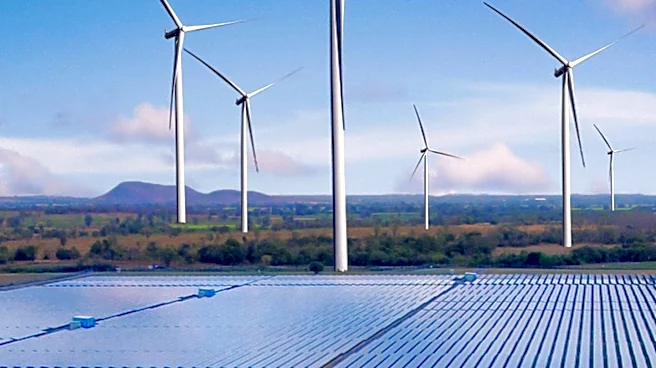
investment of approximately USD 30.3 billion to achieve 74% renewable electricity by 2060. However, clean power investment averaged only USD 1.2 billion per year between 2019 and 2023, leaving a substantial shortfall. The proposed JETF aims to pool public, private, and philanthropic capital to deliver affordable renewable electricity to these underserved communities and foster lasting local benefits. The fund would focus on three key areas: viability gap funding to reduce capital costs and maintain affordable electricity tariffs, upskilling and reskilling funding to build local technical capacity for operating and maintaining renewable energy systems, and productive use of energy funding to power village enterprises, create green jobs, and boost local incomes. This initiative builds upon the principles of the Just Energy Transition Partnership.
Why It's Important?
The success of Indonesia's energy transition is crucial not only for its own climate goals but also for global efforts to combat climate change, given its significant emissions profile. The current investment gap highlights a common challenge in many developing nations: attracting sufficient private capital for renewable energy projects, especially in remote areas where profitability may be lower and risks perceived higher. The JETF's focus on viability gap funding is critical for making renewable energy projects financially attractive and ensuring that electricity remains affordable for low-income households. Furthermore, the emphasis on local capacity building and productive use of energy ensures that the transition is 'just,' creating economic opportunities and empowering communities rather than leaving them behind. This integrated approach addresses both the financial and social dimensions of the energy transition, aiming to create sustainable and inclusive development.
What's Next?
The discussion paper proposing the JETF is intended as a starting point for dialogue with the Government of Indonesia and other stakeholders. The next steps will involve detailed discussions on potential funding sources, governance arrangements, financing instruments, and enabling conditions. A phased approach to the fund's development is envisioned, starting with initial capitalization and pilot deployments, followed by scaling up and institutionalization. The success of these discussions and the subsequent implementation of the JETF will be crucial for accelerating Indonesia's renewable energy deployment and achieving its net-zero targets. International partners, including development banks and philanthropic organizations, are likely to be key players in supporting the capitalization and technical assistance for the fund.
Beyond the Headlines
The Indonesian JETF proposal underscores a broader global challenge: how to finance a just energy transition in developing economies. It highlights the need for blended finance solutions that combine public, private, and philanthropic capital to de-risk investments and ensure equitable outcomes. The fund's focus on local capacity building and economic empowerment goes beyond simply deploying technology; it aims to create a sustainable ecosystem for renewable energy that benefits local communities directly. This approach recognizes that a successful energy transition is not just about megawatts but also about jobs, skills, and local ownership. The JETF could serve as a blueprint for other countries facing similar challenges, demonstrating how to mobilize diverse financial resources and integrate social equity into large-scale infrastructure projects, ultimately contributing to a more inclusive and sustainable global energy future.