





What's Happening?
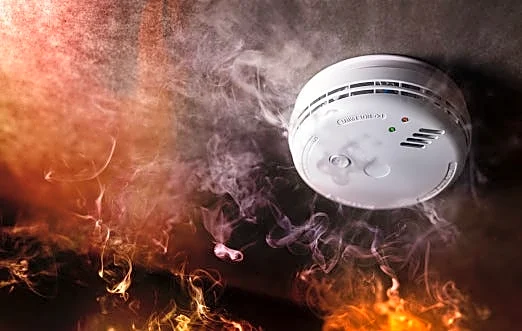
The second floor of the Regency Inn in Sapulpa has been evacuated following a safety inspection that uncovered multiple hazards, including gas leaks and non-functional smoke detectors in several rooms. City officials issued the evacuation order after
a complaint from another agency prompted a September 23 inspection. The hotel owner was given 60 days to submit fire suppression plans to the city. Despite knowing about the violations for nearly a week, the hotel management reportedly failed to inform guests, leading to residents being given only 24 hours to vacate their rooms. Many of these guests had been living at the hotel for extended periods, some for years, which itself constitutes a code violation. First-floor rooms remain open as they offer direct access to the parking lot for emergency exits. The city will conduct spot inspections and require weekly logs of room inspections from hotel staff.
Why It's Important?
This incident highlights critical issues in public safety and tenant rights within the hospitality sector, particularly for individuals who rely on hotels for long-term housing. The immediate displacement of residents, some of whom had paid for extended stays, underscores the vulnerability of those in precarious living situations. The failure of hotel management to promptly notify guests of severe safety concerns, despite being aware of them for days, raises questions about accountability and ethical responsibilities. This situation could prompt increased scrutiny of extended-stay hotels and their adherence to safety regulations, potentially leading to stricter enforcement or new policies to protect long-term residents. It also brings to light the challenges faced by city building inspection departments in ensuring compliance, especially when property owners are slow to address identified hazards. The incident serves as a stark reminder of the potential dangers when safety protocols are neglected in public accommodations.
What's Next?
The Regency Inn owner has a 60-day deadline to submit fire suppression plans to the City of Sapulpa. During this period, the city will conduct spot inspections, and hotel staff must maintain weekly logs of room inspections. If a plan is approved and a permit is in place within 60 days, the permit may be extended for another 60 days to allow for the installation of fire suppression systems. Once the necessary safety adjustments are made, the city will permit a phased re-occupancy of the second-floor rooms. Displaced residents will need to find alternative housing in the interim, and some have expressed frustration over not receiving refunds for prepaid stays. This situation may also lead to further investigations into the hotel's operational practices and potentially influence future regulatory actions regarding long-term hotel residents and safety compliance in Sapulpa.
Beyond the Headlines
The Regency Inn incident exposes a broader societal issue concerning the use of hotels as de facto long-term residences, often by individuals or families facing housing instability. While hotels are typically designed for short-term stays, the economic realities for some make them a more accessible, albeit often less regulated, housing option. This situation blurs the lines between hospitality and residential tenancy, creating gaps in consumer protection and safety oversight. The lack of immediate notification to guests about severe safety risks, despite the hotel's awareness, points to a potential systemic issue where profit motives may overshadow resident well-being. This event could catalyze discussions on whether specific regulations are needed for hotels that serve as long-term housing, including clearer guidelines on tenant rights, safety standards, and notification procedures during emergencies. It also underscores the need for more robust and proactive enforcement by municipal building inspection departments to prevent such hazardous situations from escalating.