





What's Happening?
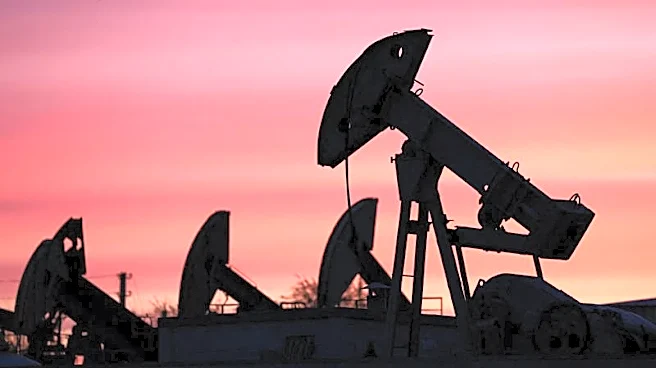
Oil prices have surged to four-year highs as tensions between the U.S. and Iran escalate, with Brent crude reaching $126 per barrel before settling at $121.84. The increase in prices is attributed to a prolonged U.S. blockade of Iranian oil exports and stalled
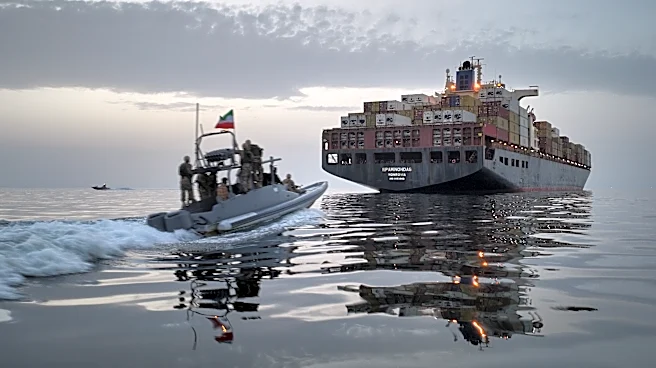
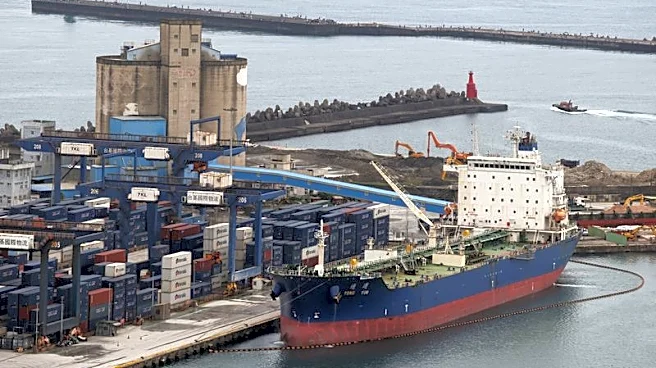
nuclear negotiations. President Trump has reportedly instructed aides to prepare for an extended blockade, further tightening global oil supplies. The Strait of Hormuz, a critical chokepoint for global oil transport, has seen a significant reduction in oil flow, with exports falling to just 4% of normal levels. This situation has exacerbated supply constraints, with limited storage capacity in Iran potentially deepening disruptions if the blockade continues.
Why It's Important?
The ongoing U.S.-Iran tensions and the resulting blockade have significant implications for global oil markets and geopolitical stability. The reduction in Iranian oil exports contributes to tighter global oil supplies, driving up prices and impacting economies worldwide. For the U.S., higher oil prices could lead to increased costs for consumers and industries, potentially affecting economic growth. Additionally, the situation underscores the fragile nature of international relations and the potential for geopolitical conflicts to disrupt global markets. The U.S. blockade and the stalled nuclear negotiations highlight the complexities of diplomatic efforts to address nuclear proliferation and regional security concerns.
What's Next?
As the U.S. maintains its blockade and negotiations with Iran remain stalled, the potential for further escalation in tensions exists. The U.S. military is reportedly preparing for possible action against Iran, which could lead to increased volatility in oil markets and further geopolitical instability. In the medium term, the UAE's recent exit from OPEC and its plans to increase oil production may gradually offset some of the supply constraints, but this is unlikely to provide immediate relief. Stakeholders, including governments and oil companies, will need to closely monitor developments and adjust their strategies accordingly to navigate the evolving landscape.