








What's Happening?
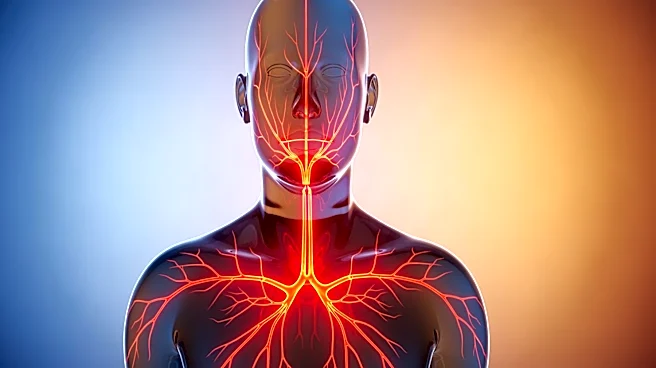
A new study has found that emotions like anger and disgust, when politically induced, are felt differently in the body compared to everyday life. Researchers asked nearly 1000 participants to map where they felt emotions on their bodies when exposed to politically charged
words. The study revealed that political emotions are experienced more intensely and can mobilize individuals to take action. This research provides insights into how political issues can evoke strong physical responses, potentially influencing public engagement and protest activities.
Why It's Important?
Understanding the physical impact of political emotions can help explain why political issues often lead to heightened public engagement and activism. The study suggests that political emotions can motivate collective action, highlighting the role of emotions in democratic processes. This research could inform strategies for managing political stress and improving civic engagement. By recognizing the physical manifestations of political emotions, individuals may better navigate their responses to political events and maintain emotional well-being.
Beyond the Headlines
The study's findings may have implications for political communication and media strategies. Understanding how political emotions affect the body could lead to more effective messaging that resonates with the public. Additionally, the research highlights the importance of emotional intelligence in political discourse, encouraging individuals to respond thoughtfully rather than react impulsively. This knowledge could contribute to more constructive political debates and a healthier democratic environment.