










What's Happening?
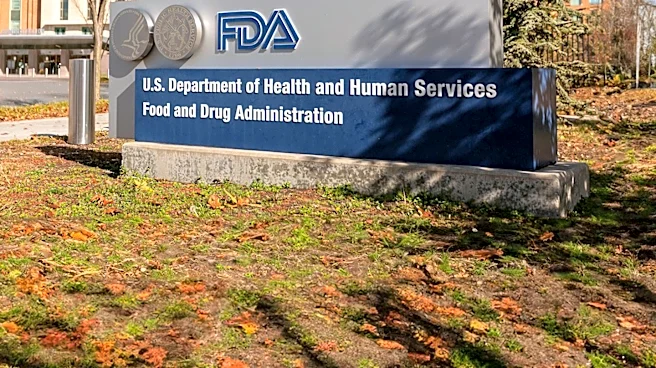
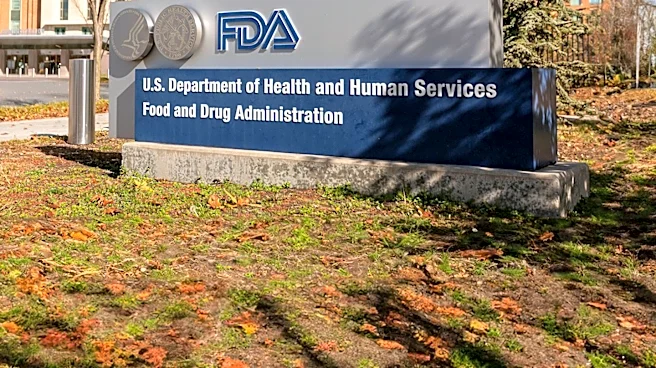
The U.S. Food and Drug Administration (FDA) has granted clearance for Magnetic EEG-guided Resonance Therapy (MeRT) as a treatment for Post-Traumatic Stress Disorder (PTSD). This personalized brain stimulation therapy, developed by Wave Neuroscience in collaboration
with the Texas A&M Health Institute of Biosciences and Technology, offers a new non-invasive option for individuals suffering from PTSD. MeRT utilizes electroencephalography (EEG) to measure a patient's brain activity, and an artificial intelligence-assisted algorithm then tailors targeted magnetic stimulation to individual brain patterns. A clinical trial involving 158 adults with PTSD demonstrated that patients receiving MeRT experienced a significantly greater improvement in symptoms compared to those who received a sham treatment. Wave Neuroscience reported an average 52% reduction in PTSD symptom severity, with 68% of patients achieving remission. The treatment involves magnetic stimulation sessions five days a week over approximately five to six weeks, and improvements were observed to persist after the treatment concluded. MeRT received FDA Breakthrough Device designation in 2024 and regulatory clearance in June 2026.
Why It's Important?
This FDA clearance for MeRT is a significant development for the estimated 6% of Americans who will experience PTSD in their lifetimes. Current treatments, primarily psychotherapy and medication, are not always effective for everyone, and some individuals continue to struggle with symptoms. MeRT provides an additional, non-invasive option, particularly for those who have not found adequate relief from existing therapies. The personalized nature of MeRT, which customizes treatment based on individual brain activity, represents a potential advancement in mental health care, moving towards more tailored interventions. The high remission rate reported in the clinical trial, with 68% of patients no longer meeting the clinical criteria for PTSD, suggests a substantial impact on patient outcomes. This could lead to improved quality of life for many individuals, including veterans, who are disproportionately affected by PTSD, with approximately 17.5 veterans dying by suicide each day in the U.S.
What's Next?
Following FDA clearance, MeRT can now be marketed for its specified use, making it available to a broader patient population. However, further research is needed to fully understand the long-term effectiveness of MeRT and its benefits across diverse patient groups. Researchers will also be looking to clarify how well the approach will work across broader patient populations and how accessible it will be. Independent evaluation of the company-reported remission and symptom-reduction figures will be crucial for establishing the treatment's full efficacy. The developers and researchers hope that personalized brain stimulation techniques, like MeRT, could eventually inform treatments for other mental health conditions, such as depression and anxiety. The availability of this new treatment option may also prompt discussions among healthcare providers and policymakers regarding its integration into existing PTSD treatment protocols and potential insurance coverage.
Beyond the Headlines
The clearance of MeRT highlights a growing trend in mental health treatment towards personalized and technology-driven interventions. Unlike traditional 'one-size-fits-all' approaches, MeRT's use of individual brain activity measurements to guide therapy signifies a shift towards precision medicine in psychiatry. This could lead to more effective treatments by addressing the unique neurological underpinnings of each patient's condition. The non-invasive nature of transcranial magnetic stimulation (TMS), a component of MeRT, also offers a less stigmatizing and potentially more tolerable alternative to some pharmacological or more invasive treatments. However, the ethical implications of brain stimulation therapies, including potential side effects and the need for rigorous oversight, will remain a critical consideration. The success of MeRT could also spur further investment and research into similar neuro-modulation techniques for a wider range of neurological and psychiatric disorders, potentially revolutionizing how mental health conditions are understood and treated.