
What's Happening?
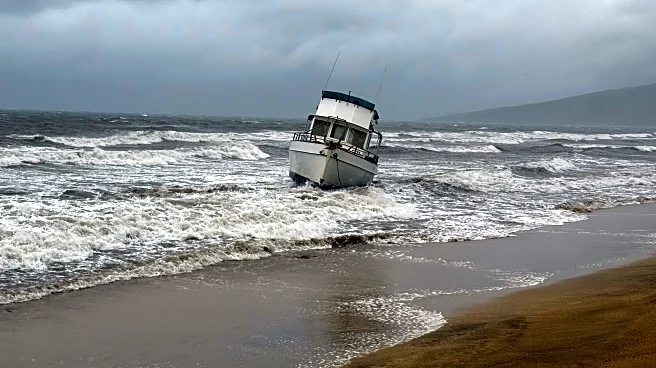
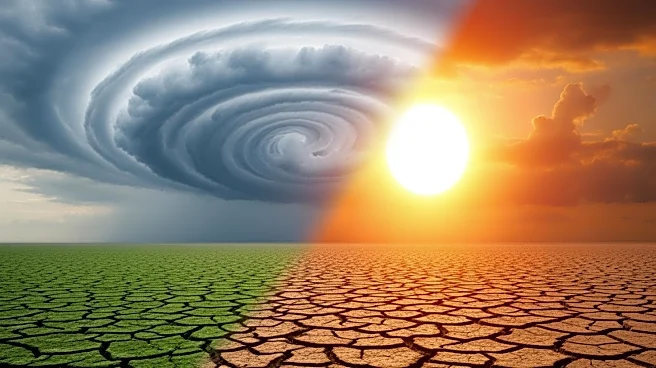
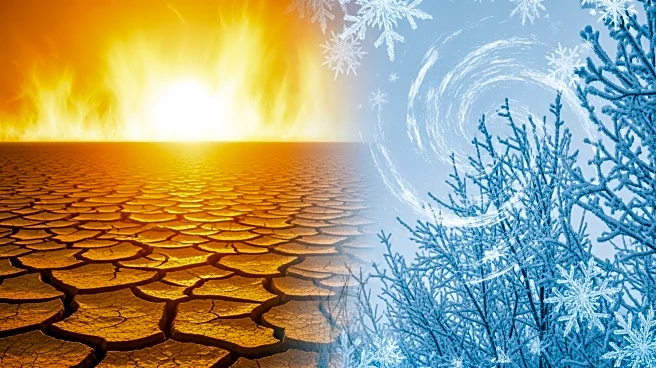
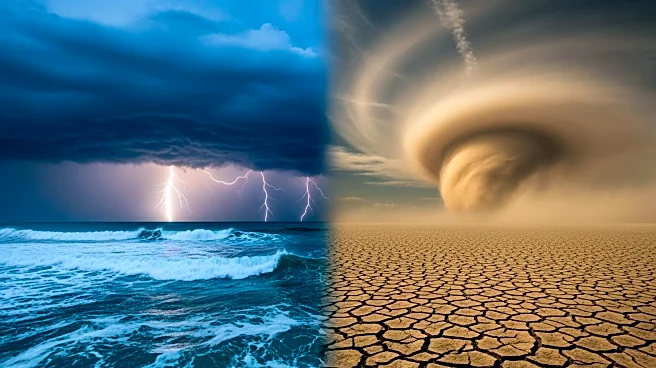
The United States is experiencing a wide range of extreme weather conditions affecting nearly every state. Hawaii is facing days of heavy rain, while the Southwest is bracing for record-breaking heat with temperatures exceeding 100 degrees Fahrenheit.
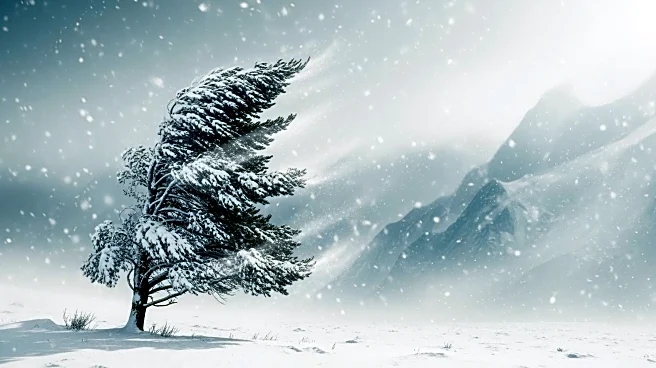
In contrast, the northern Great Lakes states are expecting significant snowfall from two incoming storms. Additionally, the Midwest and East are preparing for a polar vortex bringing severe cold. This weather volatility follows a recent pattern of rapid temperature changes, such as Washington, DC experiencing an 86-degree day followed by snowfall. Former NOAA chief scientist Ryan Maue anticipates extreme weather across all 50 states.
Why It's Important?
The diverse and extreme weather conditions across the U.S. have significant implications for public safety, infrastructure, and economic activities. Regions experiencing severe heat may face increased energy demands and health risks, while areas expecting heavy snowfall could encounter transportation disruptions and increased heating costs. The polar vortex's cold temperatures can strain heating systems and impact vulnerable populations. These weather patterns highlight the need for preparedness and adaptation strategies to mitigate the effects of climate variability on communities and industries.
What's Next?
As these weather events unfold, emergency services and local governments will likely focus on response and recovery efforts. Residents in affected areas may need to prepare for potential power outages, travel disruptions, and supply shortages. Long-term, these events could prompt discussions on climate resilience and infrastructure investments to better withstand future weather extremes. Stakeholders, including policymakers and environmental groups, may advocate for enhanced climate action and adaptation measures.