


What's Happening?
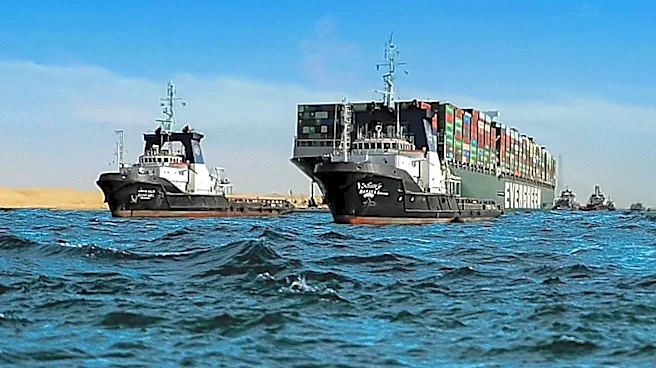
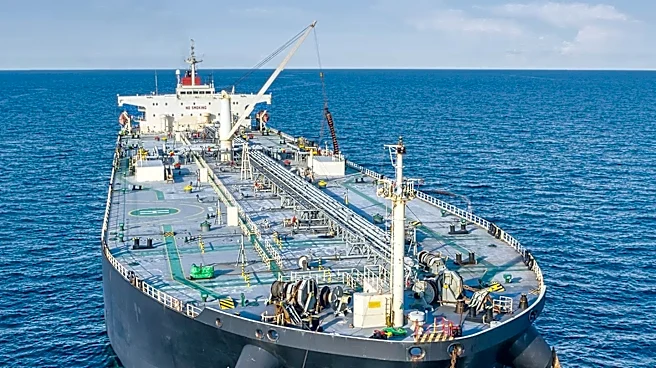
Efforts to bypass the Strait of Hormuz, a critical oil transit route, face significant challenges. The UAE and Saudi Arabia have developed pipelines to reduce reliance on the strait, but these alternatives are limited by capacity and geopolitical risks.
The UAE's pipeline to Fujairah and Saudi Arabia's Petro line to the Red Sea are among the few options, yet they are vulnerable to regional conflicts and require substantial investment for expansion. Other potential routes through Syria and Turkey are fraught with political instability and high costs, making them impractical solutions for replacing the strait's capacity.
Why It's Important?
The Strait of Hormuz is a vital chokepoint for global oil supply, with millions of barrels passing through daily. Disruptions in this region can have significant implications for global energy markets and geopolitical stability. The limited alternatives to the strait highlight the vulnerability of oil-dependent economies to regional conflicts and the strategic importance of securing energy transport routes. The challenges in finding viable bypass options underscore the need for international cooperation and investment in energy infrastructure to mitigate risks associated with geopolitical tensions in the Middle East.