





What's Happening?
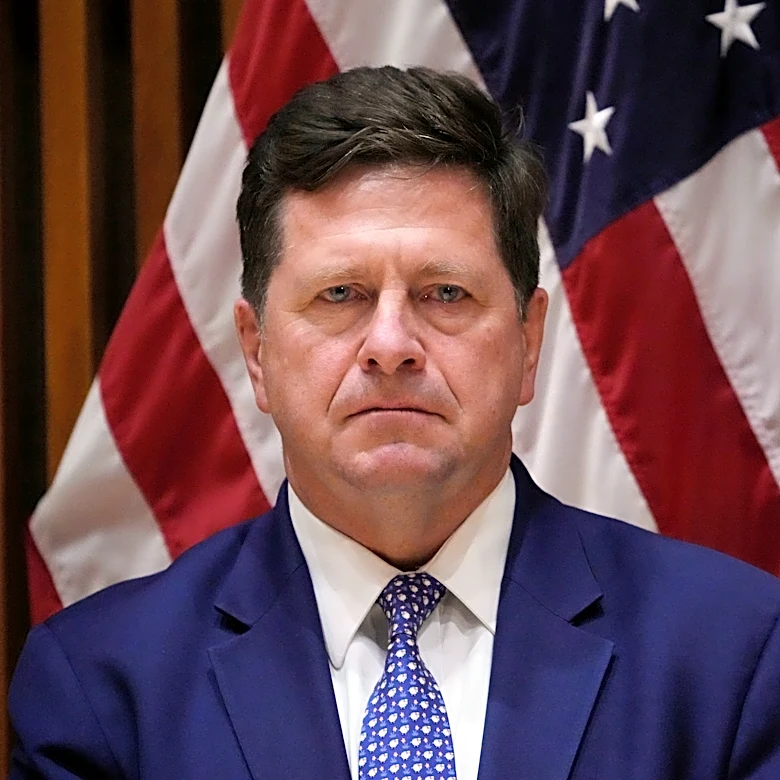
Andrew S. Boutros, the U.S. attorney for the Northern District of Illinois, is at the center of controversy following the handling of protests at the Immigration and Customs Enforcement (ICE) detention center in Broadview, Chicago. The protests, which
have been compared to the 1968 Democratic Party Convention clashes, resulted in the arrest of individuals known as the 'Broadview Six.' These individuals were charged with impeding ICE operations, but the grand jury expressed skepticism about the charges, viewing them as politically motivated. The situation has drawn criticism from various political figures and media, with some calling for Boutros' resignation. Despite this, acting U.S. Attorney General Todd Blanche has defended Boutros, emphasizing his efforts to combat crime and immigration violations.
Why It's Important?
The case highlights the ongoing tensions between federal authorities and local communities regarding immigration enforcement. The skepticism from the grand jury and the subsequent political fallout underscore the challenges faced by federal prosecutors in politically charged cases. The situation also reflects broader national debates on immigration policy and the role of federal enforcement in local jurisdictions. The controversy could impact public trust in the justice system and influence future immigration enforcement strategies. Additionally, the case has implications for the political landscape in Chicago, potentially affecting local and national political dynamics.
What's Next?
The fallout from the Broadview protests is likely to continue, with potential implications for future federal prosecutions in politically sensitive cases. The calls for Boutros' resignation may lead to further scrutiny of his office's actions and decisions. The situation could also prompt discussions on the balance between federal authority and local autonomy in immigration enforcement. As the political climate evolves, stakeholders, including political leaders and civil society groups, may push for reforms to address the underlying issues highlighted by this case.