
What's Happening?
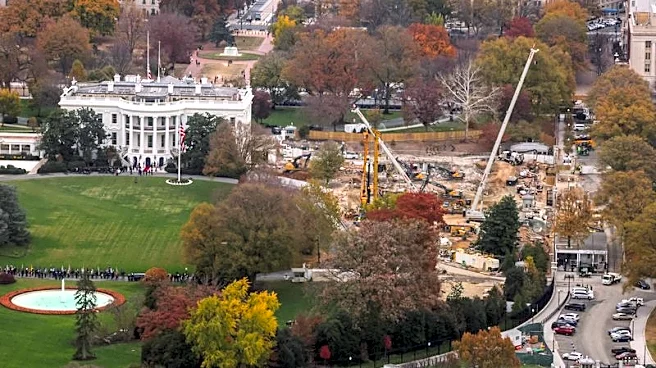
More than 2,500 National Guard troops remain deployed in Washington, D.C., eight months after President Trump declared a crime emergency. This deployment, which began in response to rising crime rates,
has become a routine presence in the city. The troops, while not making arrests, support local law enforcement by patrolling streets, metro stations, and tourist areas. The White House credits the deployment with significant crime reduction, citing 12,000 arrests and the seizure of thousands of illegal firearms. However, the deployment's continuation is controversial, with local officials questioning its necessity and cost, which exceeds a million dollars daily. Despite ongoing court challenges, the deployment is set to continue indefinitely.
Why It's Important?
The prolonged presence of National Guard troops in Washington, D.C., highlights tensions between federal and local authorities over crime control and public safety. The deployment raises questions about the balance of power, as local officials have limited influence over federal decisions affecting their jurisdiction. The financial burden on taxpayers and the potential normalization of military presence in civilian areas are significant concerns. This situation underscores the complexities of governance in the nation's capital, where federal authority often supersedes local autonomy. The deployment's impact on public perception and its role in upcoming elections could influence future policy decisions.
What's Next?
The continuation of the National Guard's deployment in Washington, D.C., depends on ongoing legal challenges and potential court rulings. Local officials and advocacy groups are planning protests to oppose the federal intervention, aiming to end the military presence before the upcoming elections. The situation may influence political campaigns, as candidates address issues of autonomy, public safety, and federal oversight. The outcome of these efforts could set precedents for federal intervention in local matters and impact the city's governance and public policy.