







What's Happening?
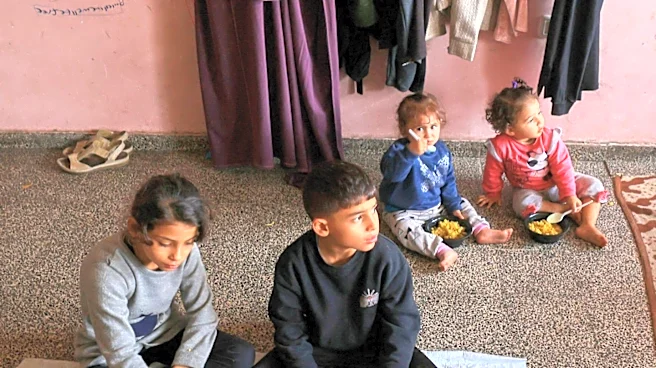
UNICEF is actively working to enhance humanitarian access and civil-military coordination in Sudan, a country characterized by complex humanitarian challenges and significant access constraints. The organization aims to ensure the timely and equitable
delivery of assistance and protection to children and communities in need, particularly in hard-to-reach areas. This initiative involves providing strategic leadership and technical expertise to strengthen humanitarian access strategies. A key aspect of this effort is the deployment of a Humanitarian Affairs Specialist (Access and Civil-Military Coordination) who will advise Country and Area Offices, support the development and implementation of access plans, and build the capacity of UNICEF staff and partners. The specialist will also engage with various stakeholders, including government and non-State actors, UN agencies, and humanitarian partners, to address access impediments and create favorable conditions for aid delivery. Sudan's environment presents ongoing difficulties, making these efforts crucial for reaching vulnerable populations.
Why It's Important?
The strengthening of humanitarian access and civil-military coordination in Sudan is critically important due to the severe and rapidly changing operational context that significantly impacts the delivery of life-saving aid. Without effective access, essential humanitarian assistance and protection services cannot reach children and communities in crisis, exacerbating suffering and increasing vulnerabilities. This initiative directly addresses the challenges posed by conflict environments and complex political landscapes, which often impede humanitarian operations. By improving coordination and negotiation with all relevant actors, UNICEF aims to reduce delays, enhance the safety of aid workers, and ensure that assistance is distributed based on need rather than political or military considerations. The success of these efforts will directly benefit countless children and families by providing them with access to food, water, shelter, medical care, and protection, ultimately saving lives and mitigating the long-term impacts of humanitarian crises.
What's Next?
UNICEF's immediate next steps involve the continued implementation of its enhanced humanitarian access strategies in Sudan, with a focus on deploying specialized personnel and strengthening local capacities. The newly appointed Humanitarian Affairs Specialist will play a pivotal role in providing expert advice, developing action plans, and conducting negotiations with various parties to secure and maintain access. Ongoing efforts will include continuous analysis of access constraints, actor mapping, and the development of risk mitigation measures. UNICEF will also prioritize capacity building for its staff and partners on humanitarian access and negotiation techniques. Furthermore, the organization will continue to advocate for adherence to international humanitarian law and humanitarian principles, engaging with government and non-State actors to foster an environment conducive to aid delivery. The long-term goal is to establish sustainable mechanisms for humanitarian access that can adapt to Sudan's dynamic and challenging environment, ensuring consistent support for vulnerable populations.
Beyond the Headlines
Beyond the immediate operational improvements, UNICEF's focus on humanitarian access and civil-military coordination in Sudan carries deeper implications for the future of humanitarian aid in complex emergencies. This initiative highlights the evolving nature of humanitarian work, which increasingly requires sophisticated negotiation skills, a deep understanding of local political and social dynamics, and robust coordination mechanisms. The emphasis on building capacity among staff and partners suggests a long-term investment in localizing humanitarian response and empowering national actors. Furthermore, by engaging with both State and non-State actors, UNICEF is navigating the intricate ethical and practical challenges of maintaining neutrality and impartiality while ensuring aid reaches those most in need. This approach could set a precedent for how international organizations operate in other conflict-affected regions, emphasizing diplomacy and strategic engagement as critical components of humanitarian action, ultimately aiming to foster greater respect for humanitarian space and principles globally.