







What's Happening?
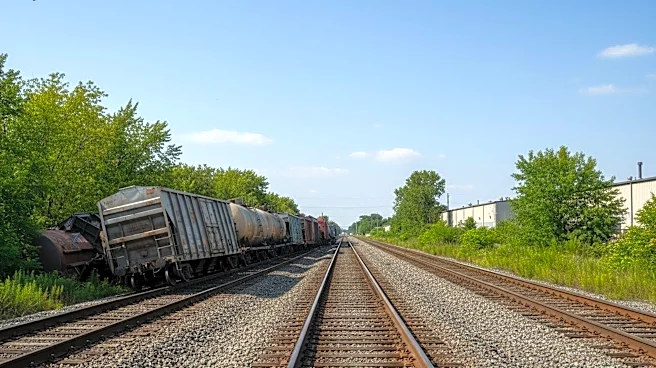
A mass casualty event occurred at the Reading Railroad Outer Station in Muhlenberg Township, Pennsylvania, where more than 100 individuals required medical evaluation and care. The incident, which took place on July 2, was primarily due to heat-related
emergencies as temperatures soared. Emergency crews from multiple counties, including Berks, Lancaster, Chester, and Schuylkill, responded to the scene. They set up tents and cooling buses to manage the situation, with dozens of ambulances deployed. The event coincided with the visit of Big Boy, the world’s largest operating steam locomotive, which was making a stop in Reading as part of its northeast tour. The locomotive's presence attracted large crowds, contributing to the number of people affected by the heat.
Why It's Important?
This incident underscores the significant health risks posed by extreme heat, especially during large public gatherings. The response required coordination among various emergency services, highlighting the importance of preparedness for mass casualty events. The situation also reflects broader concerns about climate change and its impact on public health, as rising temperatures become more frequent. The event's timing, during a high-profile visit by the Big Boy locomotive, also illustrates the challenges of managing public safety during popular events. This incident may prompt local authorities to reassess emergency response strategies and public safety measures for future events, particularly in extreme weather conditions.
What's Next?
Authorities are expected to release more information about the conditions of those affected as it becomes available. The incident may lead to increased scrutiny of event planning and emergency preparedness in the region, especially concerning heat-related risks. There could be calls for improved infrastructure to handle such emergencies, including more cooling stations and better public communication strategies. Additionally, the event may influence future policies on managing large gatherings during extreme weather, potentially leading to new guidelines or regulations to ensure public safety.